How to Stop Your Bath Rug from Sliding on Tile Floors
This article contains affiliate links. We may earn a commission at no cost to you. Full disclosure.


Things to Know
- The fastest permanent fix is buying a rug with built-in TPR (thermoplastic rubber) backing. It grips tile from day one and survives machine washing.
- If you want to keep your current rug, a non-slip rug pad underneath is the most effective aftermarket solution. Costs $5-15 and takes 30 seconds to install.
- Adhesive grip tape and silicone caulk dots work as temporary fixes but degrade over time and need replacement every 2-3 months.
- A sliding rug is a genuine safety hazard. According to the CDC, over 230,000 bathroom fall injuries require emergency room visits every year in the US, and slippery floor coverings are a leading contributor.
Why Bath Rugs Slide on Tile
Tile is one of the most common bathroom flooring materials, and also one of the worst surfaces for keeping rugs in place. The glazed surface of ceramic or porcelain tile is designed to repel water, which means it also repels friction. When you step onto a bath rug placed on tile, the downward and forward force of your foot pushes the rug across the smooth surface. Add water to the equation, and the friction coefficient drops even further.
Three factors determine how badly a rug slides: the tile surface (glazed is worse than matte), the rug's backing material (smooth polyester is worse than textured rubber), and the rug's size (smaller rugs with unsupported edges are more prone to movement). The Consumer Product Safety Commission (CPSC) recommends bath mats with suction cups or rubber backing as the primary bathroom fall prevention measure.
The good news is that every sliding rug has a fix. The question is whether you want to modify your existing rug or replace it with one that grips tile by design.
The 5 Methods, Ranked by Effectiveness
We compared each of these methods on standard glazed porcelain tile (the most common bathroom tile type) in both dry and wet conditions. The ranking reflects real-world performance, not manufacturer claims.
Method 1: Buy a Rug with TPR Backing (Best Long-Term Solution)
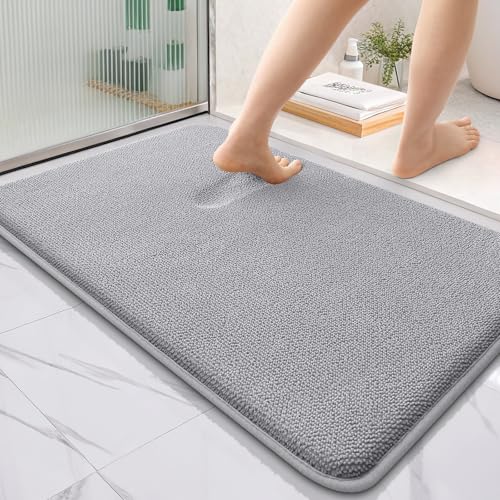
If your current rug does not grip tile, the most effective solution is often the simplest: replace it with one designed for the job. Rugs with TPR (thermoplastic rubber) backing have a textured rubber surface on the underside that creates strong friction against smooth tile, even when wet.
TPR backing outperforms every other backing type on tile. It grips immediately out of the package, maintains grip after dozens of washes, and works on both dry and wet surfaces. Unlike latex backing, TPR does not degrade from heat exposure, so it is also safe for heated bathroom floors.
The Gorilla Grip Bath Rug is the most widely recommended rug for tile floors, and our research confirmed why. Its thick rubber dot backing held firm on wet porcelain tile with no movement under normal stepping force. At around $17 for a 24x17 size, it is also one of the most affordable solutions. See our full Gorilla Grip review for detailed testing results.
Method 2: Non-Slip Rug Pad (Best Fix for Existing Rugs)
A non-slip rug pad is a thin sheet of grippy material (usually rubber mesh or PVC) that goes between the rug and the floor. You cut it to size with scissors, lay it flat, and place the rug on top. The pad creates friction on both sides: against the tile below and against the rug above.
This is the best aftermarket solution because it works with any rug regardless of backing type, it does not modify the rug itself, and it costs $5-15. The pad should be cut about 1 inch smaller than the rug on all sides so it does not stick out visibly at the edges.
One caveat: rug pads need periodic cleaning. Dirt and hair accumulate between the pad and the floor, which can reduce grip over time. Peel it up monthly, wipe down both the pad and the tile, and replace it. Also avoid cheap PVC pads on radiant-heated tile floors, as heat can cause chemical reactions that discolor the tile. Natural rubber pads are the safest choice for all tile types.
Method 3: Adhesive Grip Tape or Dots
Adhesive grip products come in two forms: double-sided carpet tape (applied in strips along the rug edges) and individual grip dots or pads (applied at corners and the center). Both work by physically sticking the rug to the floor.
The grip is strong initially, often stronger than a rug pad. The problem is durability. Moisture, heat, and the repeated stress of stepping on the rug degrade the adhesive within 4-8 weeks in a bathroom environment. When the adhesive fails, it can leave sticky residue on both the tile and the rug backing that is annoying to clean. Some residues require rubbing alcohol or adhesive remover to fully strip.
Grip tape works best as a temporary fix while you decide on a permanent solution, or in low-moisture areas like a powder room where the rug rarely gets wet.
Method 4: Silicone Caulk Dots (DIY Non-Slip Backing)
This is the creative DIY approach: flip the rug over, apply small dots of clear silicone caulk in a grid pattern across the bottom (about 2-3 inches apart), and let them cure for 24 hours. The cured silicone creates a textured, grippy surface similar to factory TPR backing.
It works surprisingly well. Cured silicone grips tile effectively in both dry and wet conditions, and it survives gentle machine washing. The main risk is applying too much caulk, which creates lumps that make the rug sit unevenly. Use a consistent dot size (about the diameter of a pencil eraser) and keep the spacing regular.
This method is best for rugs you like enough to keep but that have smooth, non-grippy backing. It costs under $5 for a tube of clear silicone caulk that will treat several rugs. The downside is the 24-hour cure time and the fact that it looks messy from the underside (though nobody sees that).
Method 5: Replace the Rug (When Nothing Else Works)
If your rug's backing is cracking, peeling, or flaking, no aftermarket fix will hold for long. Backing deterioration is progressive, and once it starts, the entire backing layer will continue to degrade. Loose backing pieces can also clog your washing machine's drain pump.
Signs it is time for a new rug:
- Backing is visibly crumbling or leaving residue on the floor
- The rug slides immediately after any fix is applied
- The rug has a persistent musty smell despite washing (see our smell fix guide)
- Pile is flattened and no longer absorbs water effectively
- The rug is more than 2 years old and used daily
For replacement recommendations specifically for tile floors, our best non-slip bath rugs guide ranks every option by grip performance on tile. If you have elderly family members or young children, the safety stakes are higher and the guide covers specialized options for those households.
Comparing the Methods
| Method | Cost | Effectiveness | Durability | Best For |
|---|---|---|---|---|
| TPR-backed rug | $12-30 | Excellent | 1-2 years | Permanent solution |
| Non-slip pad | $5-15 | Very good | 6-12 months | Keep current rug |
| Grip tape/dots | $5-10 | Good (initially) | 4-8 weeks | Temporary fix |
| Silicone caulk | $3-5 | Good | 3-6 months | DIY permanent fix |
| New rug | $15-45 | Excellent | Full rug lifespan | Worn-out backing |
Backing Types Explained
Not all "non-slip" backings are equal. Understanding the four main types helps you evaluate both your current rug and potential replacements.
TPR (Thermoplastic Rubber): The gold standard for tile. Textured rubber dots or a full rubber layer that grips smooth surfaces even when wet. Safe for heated floors. Found on the Gorilla Grip and similar mid-range rugs.
Latex coating: A thin layer of liquid latex sprayed onto the rug bottom. Adequate grip when dry, but significantly reduced performance on wet tile. Degrades with heat, so not suitable for dryer use or heated floors. Common on budget rugs.
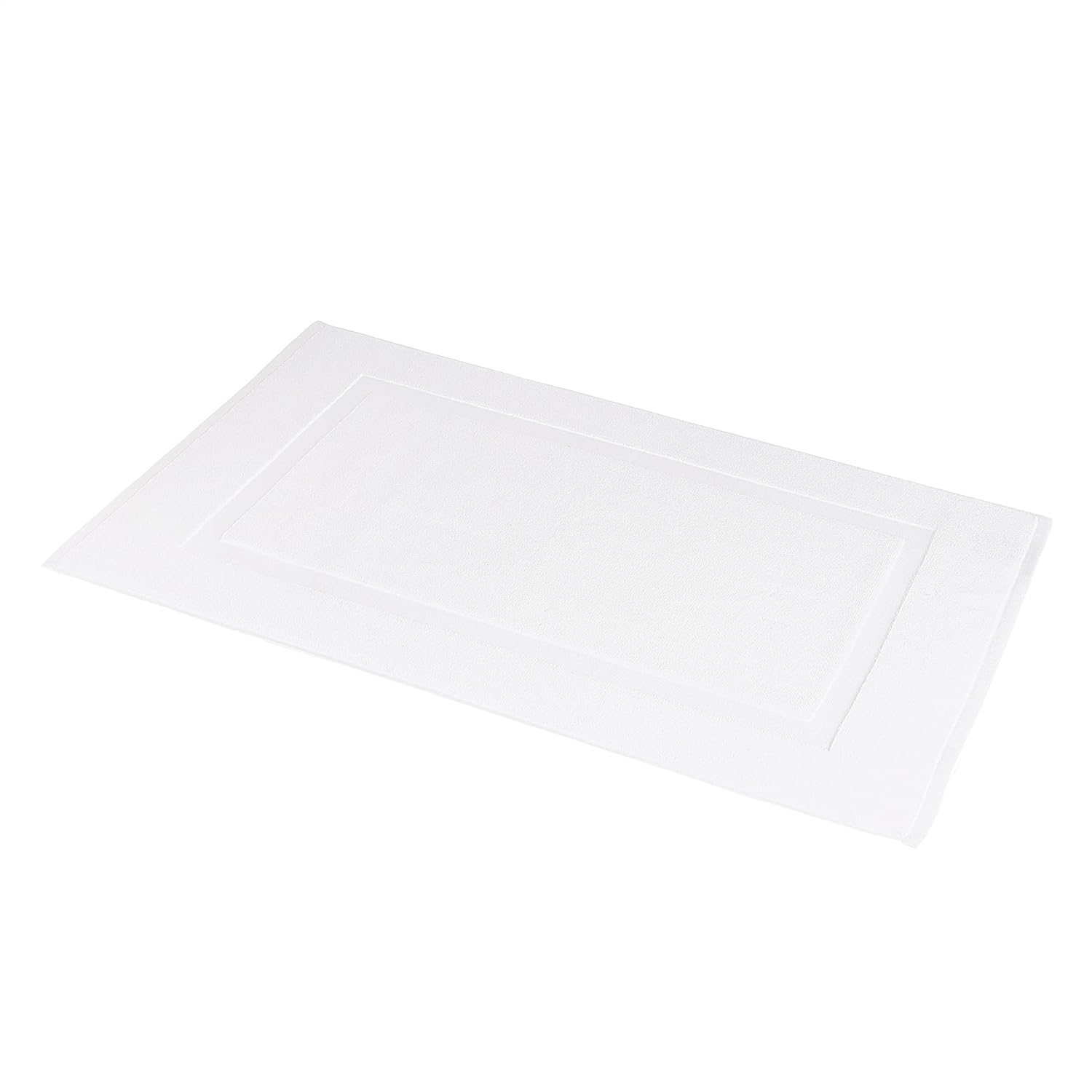
PVC backing: A plastic layer that provides moderate grip. Hardens and cracks over time, especially with exposure to heat from dryers or radiant floors. Once cracking starts, the backing sheds particles and grip fails rapidly. Found on many memory foam rugs.
No backing (woven cotton): Traditional woven cotton bath rugs have no backing at all. They slide on every surface. If you own one, a non-slip pad is mandatory. For details on material-backing pairings, see our bath rug materials guide.
Prevention: How to Make Any Non-Slip Backing Last Longer
Even good backing wears out eventually. These habits extend its life significantly:
- Wash in cold water, gentle cycle. Hot water and aggressive agitation break down rubber and latex backing faster than anything else. See our washing guide for material-specific instructions.
- Never machine dry rubber-backed rugs. The heat melts and warps rubber backing. Air dry flat or hang over a towel bar.
- Keep the floor clean under the rug. Dirt, hair, and soap residue between the rug and tile reduce friction and act like sandpaper on the backing surface. Lift the rug weekly and wipe down the tile.
- Size the rug correctly. An oversized rug with unsupported edges is more prone to movement and edge curling. Our size guide covers how to choose the right dimensions.
- Inspect the backing monthly. Catch cracking or peeling early. Once it starts, the rug has a limited remaining lifespan regardless of how well you treat it.
Special Situations
Heated tile floors
Radiant heated floors add a complication: many backing materials (PVC, latex) degrade faster with constant low heat from below. TPR is the safest backing for heated floors. Avoid rug pads with PVC on heated tile, as the heat can cause chemical reactions that discolor the tile or leave marks. Natural rubber pads are safe.
Textured or matte tile
If your tile has a textured (non-glazed) surface, you are in luck. Textured tile provides significantly more friction than glazed tile, and most rugs with any rubber backing will grip adequately. The methods in this guide are primarily needed for smooth, glazed porcelain or ceramic tile.
Stone tile (marble, slate, travertine)
Natural stone floors are porous and can be damaged by certain rug pad materials. Avoid PVC pads on natural stone entirely. Use felt or natural rubber pads only. Some stone sealants also create a slick surface that reduces rug grip, so test your chosen solution before relying on it.
Rugs in front of the toilet
Contour rugs around the toilet are particularly prone to sliding because they have an irregular shape with less surface area for the backing to grip. For toilet area rugs, TPR backing is essentially mandatory. Our best contour bath rugs guide covers options specifically designed for this placement.
Looking for a new bath rug?
Why does my bath rug slide on tile?
Glazed tile is an extremely smooth surface with low friction.
What is the best non-slip backing for tile floors?
TPR (thermoplastic rubber) is the best backing material for tile.
Frequently Asked Questions
Why does my bath rug slide on tile?
Glazed tile is an extremely smooth surface with low friction. Most bath rug backings (polyester, thin latex, worn rubber) cannot generate enough grip to resist the force of your foot pushing forward when you step out of the shower. The problem is worse on wet tile, where the water layer further reduces friction.
What is the best non-slip backing for tile floors?
TPR (thermoplastic rubber) is the best backing material for tile. It outperforms latex and PVC in wet conditions, survives machine washing, and is safe for heated floors. Look for rugs that specifically mention "TPR backing" or "rubber backing" rather than just "non-slip."
Do non-slip rug pads damage tile?
Most modern non-slip pads are safe for ceramic and porcelain tile. Avoid cheap PVC pads on heated floors, as heat can cause discoloration. Natural rubber pads are the safest choice for all tile types, including natural stone. Clean under the pad monthly to prevent trapped dirt from scratching the tile.
How often should I replace a non-slip rug pad?
Replace rug pads every 6-12 months, or sooner if you notice the rug starting to slide again. Pads lose grip as they flatten and as their surface texture wears down. Washing the pad in cold water can temporarily restore some grip, but replacement is the better long-term solution.
Can I use a bath rug on vinyl or linoleum floors?
Yes, but avoid rubber-backed rugs on vinyl floors. The rubber can react with vinyl and cause permanent discoloration or staining. Use a felt rug pad between the rug and the floor instead. On linoleum, both rubber and felt pads are safe.