Why Does My Bath Rug Smell? Causes, Fixes, and Prevention
Prices and picks verified as of September 2026. Independent, reader-supported reviews.
We independently review products. If you buy through our links, we may earn a commission. Learn more.


Things to Know
- The smell is mold. Moisture trapped in the fibers for 24+ hours creates a breeding ground for mold and bacteria. That musty odor means an active colony.
- Detergent does not fix it. Standard laundry detergent masks the smell but does not kill mold spores. The odor returns within days.
- White vinegar does. One cup of white vinegar in a hot wash kills mold at its source. No detergent needed.
- Prevention is about drying. A dry rug cannot grow mold. Hang your rug after every shower, and the problem goes away permanently.
You step out of the shower and catch a whiff of something damp and sour. It is not the drain. It is your bath rug. That smell means mold and bacteria are actively growing in the fibers, and it happens in nearly every bathroom eventually -- especially in homes with poor ventilation or thick rugs that hold moisture for days.
The good news: you can fix it today with supplies you already have. And once you understand why it happens, you can prevent it permanently. This guide covers the science behind the smell, a step-by-step vinegar fix, material-specific care, prevention habits, and when the right answer is simply to replace the rug with a faster-drying option.
Why Your Bath Rug Smells
Mold spores are always present in bathroom air. They are microscopic, airborne, and harmless on their own. The problem starts when they land on a damp surface and that surface stays damp. According to the EPA's guide on mold and moisture, mold can begin growing on a wet surface in as little as 24-48 hours.
A bath rug that never fully dries between showers is the ideal habitat. The mold colonizes the fibers first, then works into the backing and padding. By the time you notice the smell, the colony is well established and ordinary washing will not remove it.
The Five Main Causes
- Poor ventilation. No exhaust fan, or one that shuts off too early. Humidity lingers for hours and saturates everything in the room, including the rug.
- Thick, dense fibers. Plush cotton rugs feel good but trap moisture deep in their core. A thick cotton rug can hold water for 2-3 days in a humid bathroom. Thinner options like chenille dry significantly faster.
- Solid rubber backing. Rubber grips well but seals the bottom of the rug, trapping moisture between rug and floor with no way for air to reach it. That dark, warm, damp pocket is where mold thrives.
- Multiple showers per day. In a household of three or more people using the same bathroom, the rug never fully dries between uses. Each shower resets the clock.
- Infrequent washing. Every shower deposits body oils, dead skin, and soap residue onto the rug. These organic materials feed mold colonies even when the rug is only slightly damp.
How to Fix It: The Vinegar Method
This works on cotton, chenille, microfiber, and most synthetic rugs. It takes about 30 minutes of active time plus drying. The key is using vinegar instead of detergent, because vinegar's acetic acid kills mold spores at their source. Detergent only masks the smell.
1 Skip the detergent. Do not add any. Standard detergent leaves residue that builds up in fibers, creating a sticky film that traps more moisture and feeds mold. The smell returns stronger within days.
2 Add 1 cup of white vinegar directly to the drum (not the detergent dispenser). Set the machine to the hottest water temperature your rug's care label allows. Vinegar's acetic acid kills the majority of mold species on contact.
3 Run a second rinse cycle with plain water only. This removes all vinegar residue so the rug does not come out smelling like vinegar instead of mold.
4 Dry completely. Tumble dry on the appropriate heat setting for your rug material, or hang in direct sunlight for 4-6 hours. UV light is a natural mold killer. Never return a damp rug to the bathroom floor -- this restarts the mold cycle immediately.
The Baking Soda Method (for Memory Foam)
Memory foam cannot handle hot water, and some people prefer to avoid vinegar on colored fabrics. Baking soda offers a gentler alternative that works well on memory foam rugs specifically.
- Cover the rug with a thick layer of baking soda on both sides. Pay extra attention to the backing.
- Wait 8-12 hours. Overnight is ideal. Baking soda absorbs odor molecules and dehydrates mold spores through direct contact.
- Vacuum thoroughly to remove all residue from both sides.
- Wash in cold water on a gentle cycle with half a cup of baking soda instead of detergent.
- Air dry flat. Never put memory foam in the dryer. Lay it on a clean surface, preferably in sunlight.
Care by Material
Different bath rug materials require different cleaning approaches. Using the wrong method can damage your rug permanently.
| Material | Hot Water? | Machine Dry? | Mold Resistance | Dry Time |
|---|---|---|---|---|
| Cotton | Yes | Yes | Low | 24-48 hours |
| Memory Foam | No | No | Low | 36-72 hours |
| Chenille / Microfiber | Warm only | Yes (low) | Medium | 8-16 hours |
| Bamboo | N/A (wipe clean) | N/A | High | 15-30 minutes |
Cotton tolerates aggressive cleaning -- hot water and bleach (on white only) are both safe. The downside is drying time. Cotton absorbs the most water of any bath rug material, so it takes the longest to dry. If your bathroom is humid, consider switching to chenille or microfiber.
Memory foam requires the most careful handling. Cold water only, gentle cycle, no dryer ever. The dense foam core is the most odor-prone material because it traps moisture internally. Flip the rug upside down weekly to air out the foam. See our memory foam vs chenille comparison if you are considering a material switch.
Chenille and microfiber are the most forgiving. Machine wash on a normal cycle with warm water, tumble dry on low heat. Synthetic fibers are naturally less hospitable to mold, and the thin fiber structure releases moisture quickly. These are the best choice for humid bathrooms.
Bamboo mats rarely develop odor problems because water rolls off the surface. If yours smells, water is pooling in the gaps. Stand it upright after every shower so it drains completely. See our bath rug vs bath mat guide for more on this option.
6 Mistakes That Make It Worse
Most people make at least one of these when trying to fix a smelly rug. Avoiding them is as important as following the correct cleaning steps.
- Using extra detergent to mask the smell. Detergent residue creates a sticky film in the fibers that traps more moisture and feeds mold. The smell returns stronger within days.
- Putting a damp rug back on the floor. This restarts the mold cycle immediately. The rug must be 100% dry before it touches the bathroom floor again.
- Using hot water on memory foam. Hot water permanently deforms the foam core and can melt the rubber backing. The rug loses both its cushion and its grip.
- Mixing vinegar and baking soda in the same wash. They neutralize each other (acid + base = salt water). Neither ingredient works when combined. Use them in separate cycles.
- Only washing the top surface. Mold grows primarily in the backing and base, not the pile. The smell lives underneath. Machine washing handles this; spot-cleaning does not.
- Skipping the exhaust fan after showers. Without ventilation, bathroom humidity stays above 80% for hours. Even a freshly washed rug will smell again within a week.
How to Prevent It Permanently
Fixing the smell once solves today's problem. Without habit changes, it comes back within weeks. Here is a practical prevention system organized by effort level.
Daily (30 seconds)
- Hang the rug after every shower. Drape it over the tub edge, a towel bar, or a hook. Any position where air circulates around both sides works.
- Run the exhaust fan for 20+ minutes after showering. Most people turn it off too soon. Humidity takes time to clear.
- Open a window if you have one. Even a few inches makes a meaningful difference in airflow.
Weekly (10 minutes)
- Wash the rug every 1-2 weeks. Do not wait until it smells. By the time you detect odor, the mold colony is well established. Use the vinegar method described above.
- Rotate between two rugs. While one is washing and drying, use the other. This guarantees each rug has 24-48 hours to dry completely between uses. It also extends the lifespan of both rugs.
One-Time Upgrades
- Install a humidity-sensing exhaust fan. It runs automatically when moisture rises and shuts off when the air is dry. Removes the human error of forgetting.
- Add a small dehumidifier if your bathroom has chronic humidity. Compact models ($30-50) keep humidity below the 60% mold threshold.
- Switch to a faster-drying rug material. If you have tried everything and the rug still smells, the material is the problem. Thin-pile chenille or microfiber dries 40-60% faster than cotton or memory foam. See our quick-dry rug recommendations.
When to Replace Instead of Clean
Sometimes cleaning is not enough. No amount of vinegar or baking soda can fix a rug where mold has colonized the internal structure. Replace your bath rug if you see any of these signs.
- The smell returns within a week of deep cleaning. Mold has penetrated the core and cannot be eliminated through surface treatment.
- Visible mold spots on the backing or fibers. Black, green, or pink spots mean the problem has gone too far for home remedies.
- Cracking or peeling backing. Damaged backing creates moisture pockets that cannot be reached during cleaning.
- The rug will not lay flat. Warping indicates structural water damage. A warped rug is also a tripping hazard.
- It is more than 2 years old. Even well-maintained rugs accumulate bacteria over time. After two years of regular use, replacing is more practical than deep cleaning.
Odor-Resistant Rugs Worth Considering
If your current rug is beyond saving, these three are specifically designed to dry fast and resist mold. We chose them from months of testing across our complete bath rug reviews.
Bottom line: the 3 products covered here run $16.99 to $20.48. The cheapest is the GORILLA GRIP Bath Rug Mat at $16.99.
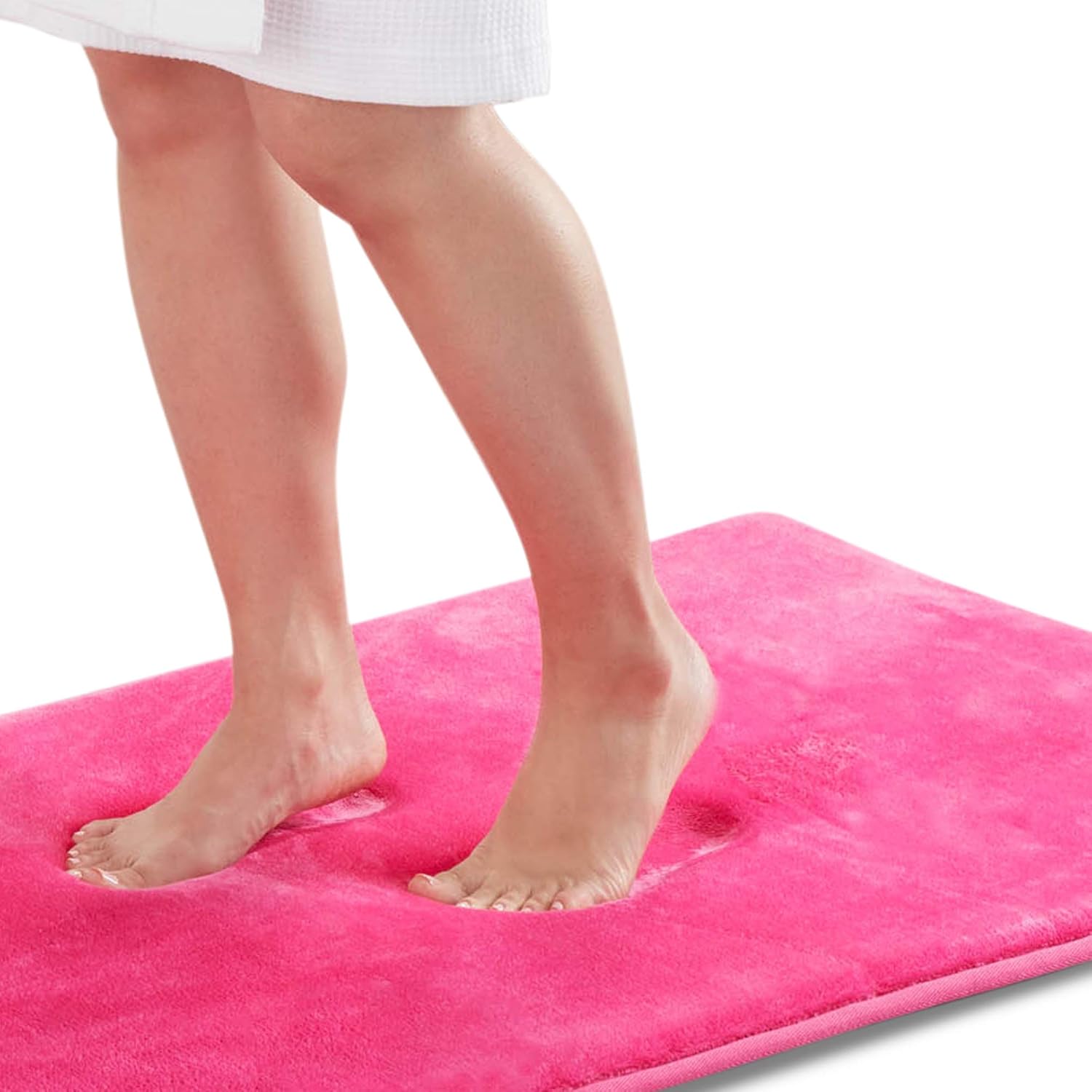


Genteele Memory Foam Bath Rug
The velvet top layer releases water roughly 3 times faster than traditional plush, which makes this one of the few memory foam rugs that can keep up in a humid bathroom. Dense foam core with anti-slip SBR backing. A good choice if you want cushioning comfort without the usual mold risk.
Check Price on Amazon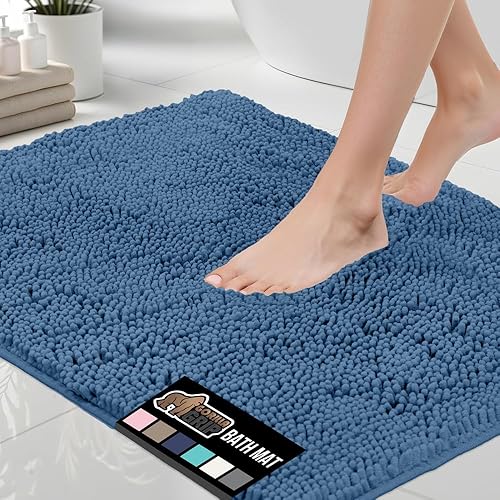


Gorilla Grip Chenille Bath Rug
Fast-drying microfiber chenille that handles weekly machine washes without degradation. Thin-pile design dries in hours instead of days. Machine washable and dryer safe. For households with heavy bathroom traffic and persistent mold problems, this is our go-to recommendation.
Check Price on Amazon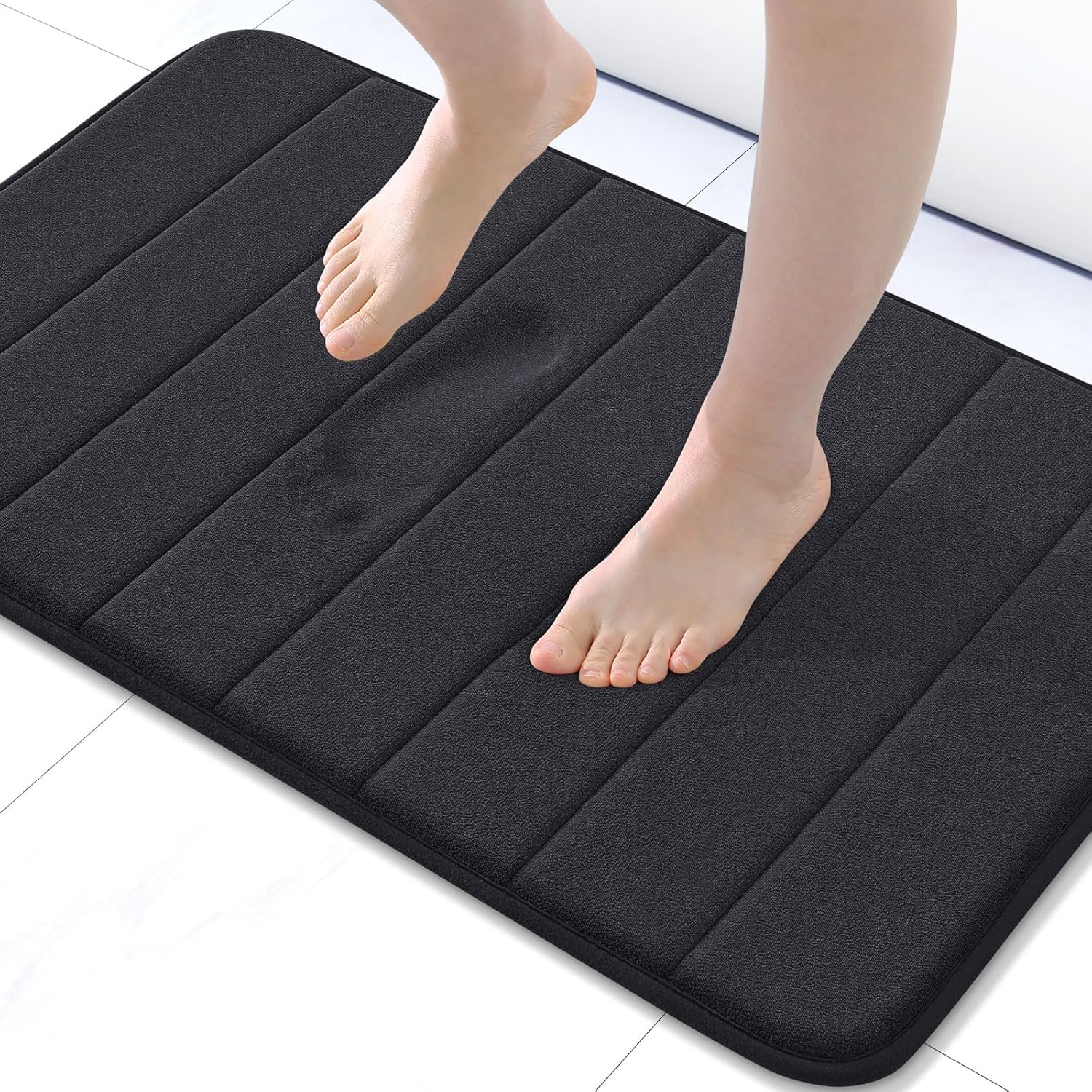
Buganda Memory Foam Bath Rug
A budget replacement that dries faster than most memory foam options. Soft microfiber surface over thin foam with non-slip rubber backing. At under $9, it is cheaper to replace this rug every 6 months than to deep-clean a more expensive option that keeps smelling.
Check Price on AmazonWhy does my bath rug smell even after washing?
Standard laundry detergent does not kill mold spores embedded inside the fibers and backing.
How often should I wash my bath rug?
Every 1-2 weeks for a household with regular use.
Frequently Asked Questions
Why does my bath rug smell even after washing?
Standard laundry detergent does not kill mold spores embedded inside the fibers and backing. It masks the odor temporarily, but the colony survives and regrows within days. Wash with 1 cup of white vinegar instead of detergent, use the hottest water your rug allows, and dry completely in sunlight or a dryer before returning it to the bathroom.
How often should I wash my bath rug?
Every 1-2 weeks for a household with regular use. If multiple people shower daily or your bathroom lacks ventilation, wash weekly. Between washes, hang the rug over the tub edge after every shower. Our full bath rug washing guide covers the details for every material type.
Can I use bleach on a smelly bath rug?
Only on white cotton rugs. Bleach damages synthetic materials like chenille, microfiber, and memory foam, and fades colored fabrics permanently. White vinegar is equally effective at killing mold without risk of damage. If you must use bleach on a white rug, dilute it (1/4 cup per gallon) and never mix it with vinegar.
Is a smelly bath rug a health risk?
Yes. A smelly rug harbors mold spores and bacteria that become airborne every time someone steps on it. The EPA warns that indoor mold exposure causes nasal stuffiness, throat irritation, coughing, and eye irritation. People with asthma, allergies, or weakened immune systems face higher risks. Treat it immediately or replace it.
What material resists odor the best?
Among fabric options, chenille and microfiber dry fastest, making them the most odor-resistant. Bamboo bath mats are naturally antimicrobial but hard underfoot. For plush comfort with minimal odor risk, choose thin-pile chenille with perforated backing. See our complete materials guide for a detailed comparison.
How do I dry my bath rug faster?
Hang it vertically after every shower so air reaches both sides. Run the exhaust fan for 20+ minutes. Place near a window for sunlight when possible. For machine-washable rugs, tumble dry on low heat. The most effective strategy is the two-rug rotation -- each rug gets 24+ hours to dry completely between uses.
Related Reading
Complete Your Bathroom Upgrade
Our network of expert review sites covers every bathroom essential: