How to Wash and Care for Your Bath Rug (Complete Guide 2026)
Expert-tested washing methods for every bath rug material
 By Ilane Tall • Published Feb 24, 2026 • Updated Mar 1, 2026 • 12 min read
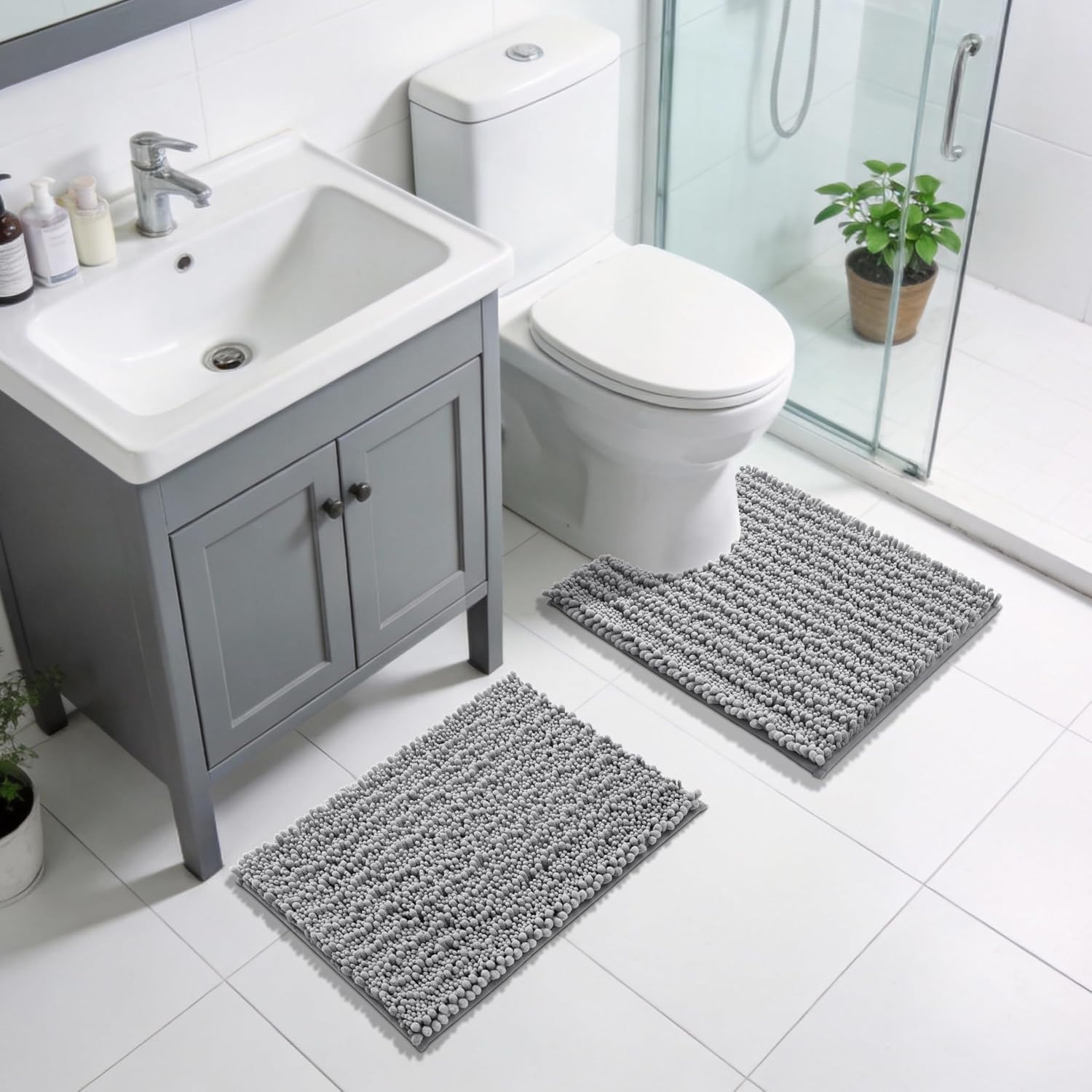
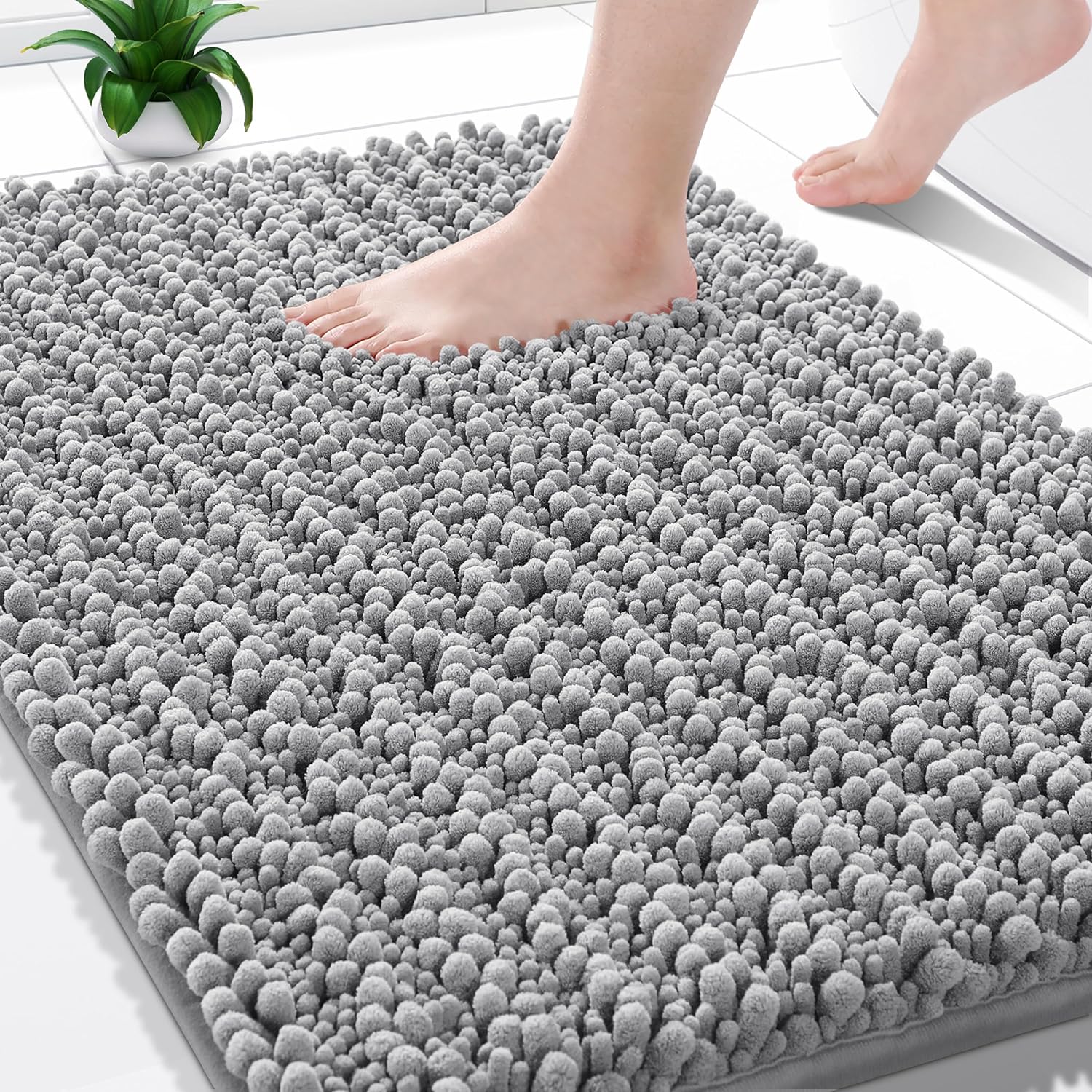
Yimobra Bathroom Rugs Non Slip 24x17
Machine-washable chenille that maintains softness after dozens of cycles. Non-slip backing holds up to repeated washing without cracking.
Quick Answer
Wash your bath rug every 1-2 weeks. Use cold or warm water on a gentle cycle with half the normal amount of mild liquid detergent. Never use fabric softener on memory foam or microfiber. Air dry flat or hang to dry. The single best habit: hang your rug over the tub edge after every shower to prevent mold.
Your bath rug works harder than almost any other textile in your home. It absorbs water daily, sits on warm humid floors, and gets stepped on with wet feet multiple times a day. Without proper care, bath rugs become breeding grounds for bacteria, mold, and mildew — creating unpleasant odors and potential health risks.
The good news? Washing and maintaining your bath rug is straightforward once you know the right technique for your specific material. This guide covers everything from machine washing memory foam mats to removing stubborn mildew stains from cotton rugs. Whether you are dealing with a smelly rug or simply want to keep a new one fresh, these steps will add years to your rug's lifespan.
If you have noticed your bath rug getting stiff, developing a musty smell, or losing its grip on the floor, it is most likely a care issue — not a sign you need a replacement. Let us fix that.
Table of Contents
5-Step Washing Guide
Follow these five steps in order for a thorough, safe wash — regardless of your rug's material. Each step includes material-specific notes where they matter most.
Step 1: Check the Care Label
Every bath rug has a care label, usually sewn into the underside near one corner. Before you wash anything, read it. The label tells you the maximum water temperature, whether machine washing is safe, and whether the dryer is allowed. Ignoring it is the number one cause of premature rug failure — especially with memory foam and chenille rugs that cannot handle heat.
Step 2: Shake and Pre-Treat Stains
Take your bath rug outside and give it a vigorous shake. This removes loose hair, dust, dead skin cells, and debris that accumulate between washes. You would be surprised how much comes off — doing this prevents your washing machine filter from clogging and ensures a more effective wash.
Next, inspect for visible stains, discoloration, or areas with product buildup. Apply a small amount of mild detergent or a paste of baking soda and water directly to stained areas. Let it sit for 15-20 minutes before placing the rug in the machine. For makeup stains, a drop of dish soap works well. For rust, try lemon juice and salt.
Step 3: Machine Wash with Correct Settings
Place your bath rug in the washing machine alone or with similar items such as other bath rugs or towels of similar color. Never overcrowd — your rug needs room to move freely for a thorough clean. If you have a top-loader with an agitator, drape the rug around it evenly to keep the load balanced.
Use half the normal amount of mild, liquid detergent. Powder detergent can leave residue in thick rug fibers. Select the cycle and water temperature based on your rug's material (see the comparison table below). Add half a cup of white vinegar to the rinse cycle for natural freshness without the harm of fabric softener.
Run an extra rinse cycle if your machine offers one. Bath rugs are thick and trap detergent easily. Leftover soap residue makes rugs stiff, reduces absorbency, and can irritate sensitive skin.
Step 4: Dry Properly
How you dry your bath rug is just as important as how you wash it. Improper drying is the leading cause of premature bath rug failure — it can destroy non-slip backing, break down foam cores, and create ideal conditions for mold growth.
Air Drying (Recommended for Most Rugs): Hang over a shower rod, clothesline, or drying rack in a well-ventilated area. Memory foam rugs should be dried flat on a clean surface to prevent the foam from stretching or warping. Most rugs take 4-8 hours to air dry depending on thickness and humidity.
Tumble Drying (With Caution): If the care label permits, use the lowest heat setting only. High heat destroys rubber and TPR backing, causes memory foam to crumble, and can shrink cotton. Remove while still slightly damp and finish with air drying to extend backing life.
Sunlight Drying: Occasional sun drying kills bacteria and removes odors naturally. Limit direct sun exposure to 2-3 hours and flip the rug halfway through. This method is especially effective after treating mold or mildew. For more tips on managing humidity, see our guide to the best quick-dry bath rugs for humid bathrooms.
Step 5: Maintain Between Washes
Establishing a simple routine makes bath rug care nearly effortless. The single most impactful habit is hanging your rug to dry after every shower. This prevents more mold, mildew, and odor problems than any cleaning product ever could.
- Daily: Hang your rug over the tub edge or a towel bar after every shower so both sides get air circulation.
- Weekly: Shake outdoors. Vacuum both sides. Spot-treat any visible stains.
- Monthly: Sprinkle baking soda generously across the rug, let sit 30 minutes, then vacuum. This absorbs moisture and neutralizes odors between washes.
- Every 6 months: Deep soak in vinegar solution. Inspect backing for wear. Sun dry for natural sanitizing.
Run the exhaust fan during and for 20-30 minutes after every shower. If you do not have an exhaust fan, open the bathroom window or door. Consider rotating between two rugs so neither stays damp for extended periods. For more on preventing odor issues, read our deep guide on why bath rugs smell and how to fix it.
Material-Specific Care Cards
Different bath rug materials require different care approaches. Using the wrong method can damage fibers, break down non-slip backing, or cause shrinkage. Here is the exact care protocol for each common material type.
Memory Foam
- Wash: Gentle or delicate cycle, cold water only
- Detergent: Small amount of mild liquid. Never powder.
- Dry: Air dry flat — never in the dryer. The foam core can break apart with heat or agitation.
- Avoid: Fabric softener (coats foam cells, reducing absorption), wringing, twisting
- Reshape: Gently press back into shape while damp, then lay flat on a clean surface
Memory foam is the most popular material but the most sensitive to heat. See our 7 best memory foam bath rugs for rugs that hold up well to washing.
Chenille
- Wash: Gentle cycle, cold or warm water
- Detergent: Mild liquid, half the usual amount
- Dry: Low heat tumble dry OK. Air drying preferred.
- Avoid: Washing with towels or lint-producing fabrics (chenille traps lint)
- Note: Slight shedding during first few washes is normal and will stop
Chenille is one of the easiest materials to maintain. Compare it against memory foam in our memory foam vs chenille showdown.
Cotton
- Wash: Normal cycle, warm or hot water (hot water kills bacteria effectively)
- Detergent: Standard liquid detergent is fine
- Dry: Tumble dry low to medium heat. Gets softer with each wash.
- Caution: Hot water may cause slight shrinkage on first wash. If your cotton rug has rubber backing, stick to warm water to protect it.
- Bleach: OK for white cotton only, occasionally. Use oxygen-based bleach for colors.
Cotton is the most forgiving material for washing. Learn more in our best materials for your bath rug guide.
Microfiber
- Wash: Gentle cycle, cold or warm water
- Detergent: Small amount of mild liquid. No powder.
- Dry: Low heat tumble dry OK. Dries faster than any other material.
- Critical rule: Never use fabric softener. It permanently clogs microfiber's ultra-fine fibers, destroying absorbency.
Microfiber's fast-drying nature makes it naturally resistant to mold. Ideal for humid bathrooms.
Bamboo
- Wash: Hand wash only — never machine wash
- Method: Wipe down with a damp cloth and mild soap. For deeper cleaning, spray with a 50/50 vinegar-water solution and let sit 10 minutes before wiping.
- Dry: Wipe dry with a towel, then air dry standing up
- Advantage: Naturally antimicrobial — requires less frequent cleaning than fabric rugs
Not sure if you need a rug or a mat? Read our bath rug vs bath mat comparison for help deciding.
Care Comparison Table
This quick reference table summarizes the correct wash settings for every common bath rug material. Bookmark this page for easy access on laundry day.
| Material | Wash Temp | Cycle | Dryer OK? | Frequency |
|---|---|---|---|---|
| Memory Foam | Cold only | Gentle | No — air dry flat | Every 1-2 weeks |
| Chenille | Cold / Warm | Gentle | Low heat OK | Every 1-2 weeks |
| Cotton | Warm / Hot | Normal | Low-Med heat | Every 1-2 weeks |
| Microfiber | Cold / Warm | Gentle | Low heat OK | Every 1-2 weeks |
| Bamboo | N/A | Hand wash only | No — wipe dry | Monthly wipe-down |
Common Washing Mistakes to Avoid
Even well-intentioned rug care can backfire if you make one of these common errors. Each mistake below leads to premature wear, lost absorbency, or backing failure.
Chlorine bleach fades colors permanently and breaks down rubber or TPR backing. It also weakens synthetic fibers like chenille and microfiber. Use oxygen-based bleach (OxiClean) instead for colored rugs. Reserve chlorine bleach for white cotton only.
The dryer is the number one killer of memory foam bath rugs. Heat above 130°F causes the foam core to break apart, crumble, and lose its cushioning permanently. There is no reversing this damage. Always air dry memory foam flat.
Stuffing multiple rugs into one load prevents proper agitation and rinsing. Your rugs come out still dirty with trapped detergent residue that makes them stiff and less absorbent. Wash one large rug or two small ones maximum per load.
If your rug's non-slip backing is cracking, flaking, or peeling before you wash it, machine washing will accelerate the damage significantly. Loose backing pieces can also clog your drain pump. Inspect the backing before every wash. If it is deteriorating, hand wash gently or consider a replacement with better backing.
Stain Removal Guide
Bath rugs encounter stains that regular laundry rarely faces. Here is how to tackle the four most common ones. Always pre-treat before machine washing for best results.
Mold & Mildew Stains
The most common bath rug problem, especially in bathrooms with poor ventilation.
- Mix 1 cup white vinegar with 1 gallon warm water
- Soak the affected area for 30-60 minutes
- Wash normally with detergent plus 1/2 cup baking soda
- For stubborn mold: apply a paste of baking soda and hydrogen peroxide directly to the stain for 15 minutes before washing
- Sun dry if possible — UV light is a natural mold killer
The EPA recommends controlling indoor humidity below 60% to prevent mold growth. Running your bathroom exhaust fan is the simplest way to achieve this.
Hair Dye Stains
Act immediately — hair dye sets within minutes and becomes nearly permanent once dry.
- Blot (do not rub) with rubbing alcohol or a mix of dish soap and white vinegar
- Apply directly to the stain and let sit 10 minutes
- Rinse with cold water (hot water sets dye stains)
- Repeat if needed, then machine wash normally
Older, set-in dye stains may be permanent. Consider placing a dark-colored rug in the area where you apply hair dye.
Rust & Hard Water Stains
Orange or brown discoloration from metal fixtures or mineral-rich water.
- Apply lemon juice and salt directly to the stain
- Place in direct sunlight for 2-3 hours if possible (citric acid + UV is highly effective on rust)
- For heavy hard water buildup: soak the entire rug in water with 2 cups white vinegar for 1 hour
- Machine wash normally
Soap Scum Buildup
A waxy, grayish film that makes rugs feel stiff and less absorbent over time.
- Soak in hot water (if material allows) with 1 cup white vinegar for 30 minutes
- Add 1/2 cup baking soda to break down residue
- Machine wash with half the normal detergent (excess detergent causes buildup)
- Run an extra rinse cycle to remove all residue
Soap scum builds up faster if you use too much detergent. Measure carefully — half the recommended amount is usually enough for bath rugs.
How Often Should You Wash Your Bath Rug?
The right washing frequency depends on how many people use the bathroom, your local humidity, and whether you hang the rug to dry daily. Here is a practical reference chart.
| Scenario | Wash Frequency | Why |
|---|---|---|
| 1-2 people, good ventilation | Every 2 weeks | Standard moisture load, adequate drying between uses |
| 3+ people, daily showers | Weekly | Higher moisture exposure accelerates bacteria growth |
| Humid climate, no exhaust fan | Weekly | Rug never fully dries between uses, mold risk is high |
| Guest bathroom | Monthly | Low usage means less moisture and bacteria accumulation |
| Kids' bathroom | Weekly | Splashing, spills, and inconsistent drying habits |
| After illness | Immediately | Sanitize to prevent reinfection or spread to family members |
Recommended Products
If your current bath rug is falling apart after a few washes, these options are specifically chosen for wash durability, quick-dry properties, and low-maintenance care. We also include a detergent recommendation for optimal results.
Best Easy-Wash Rug: Yimobra Chenille
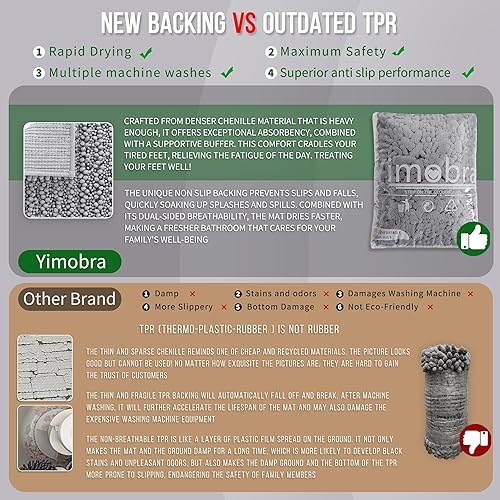
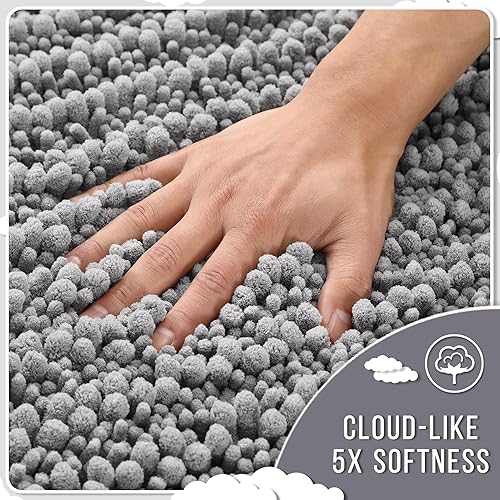
Yimobra Bathroom Rugs Non Slip 24x17
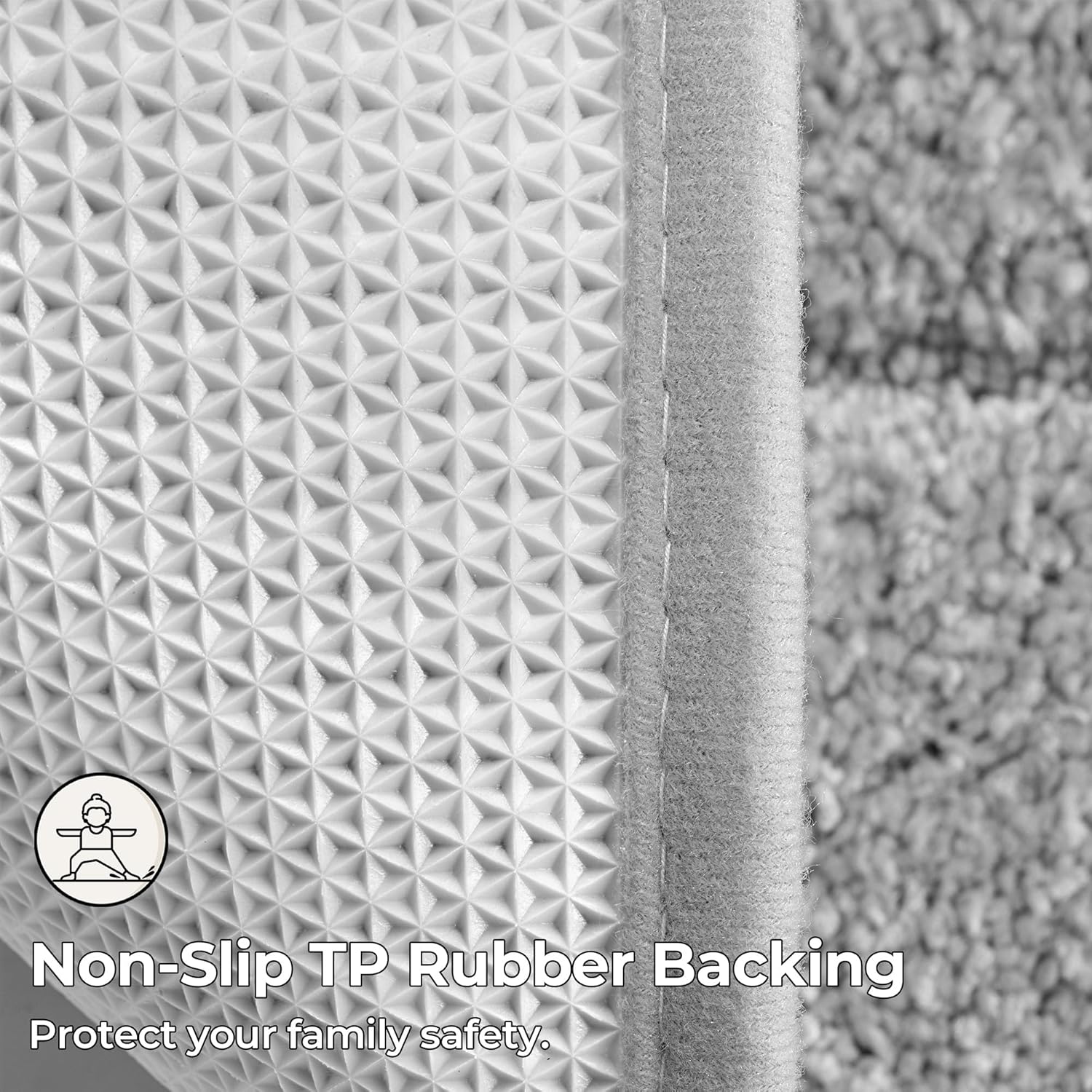
Machine-washable chenille that maintains softness after dozens of cycles. The non-slip backing holds up to repeated washing without cracking or peeling. Perfect if you want a rug you can toss in the machine without worry.
Check Price on AmazonBest Quick-Dry After Wash: OLANLY
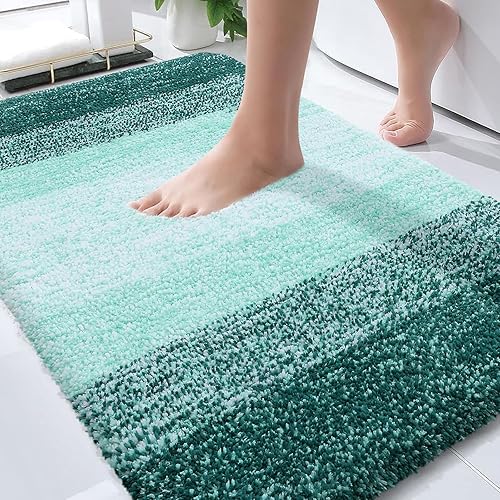

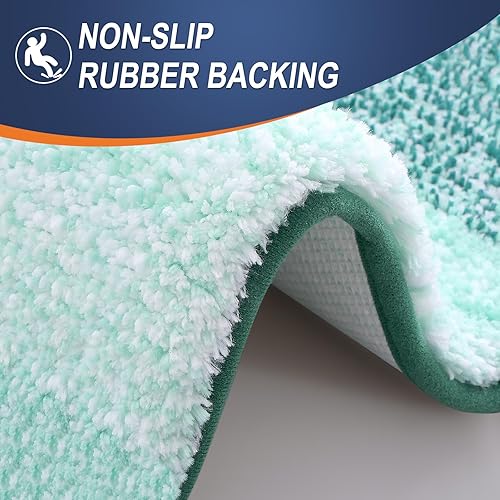

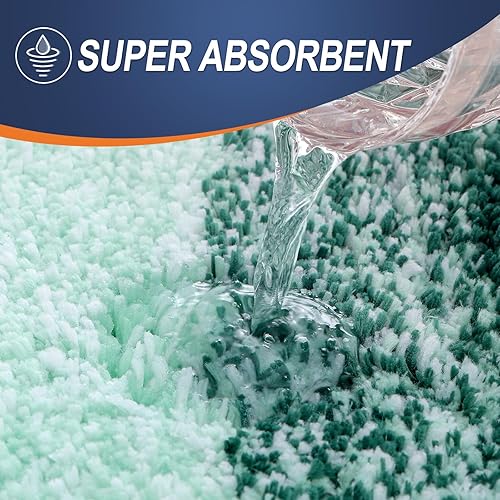
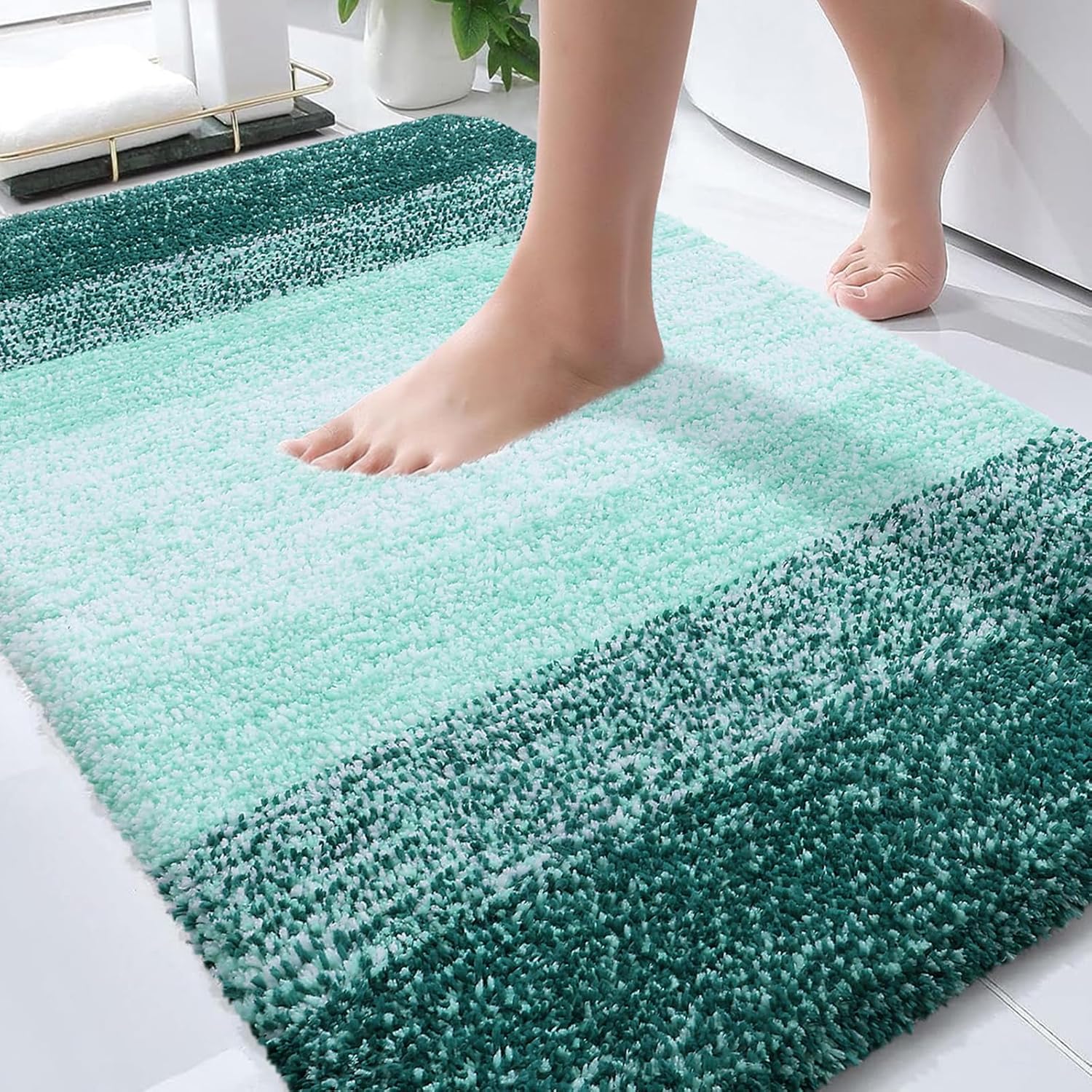
OLANLY Bathroom Rugs 30x20
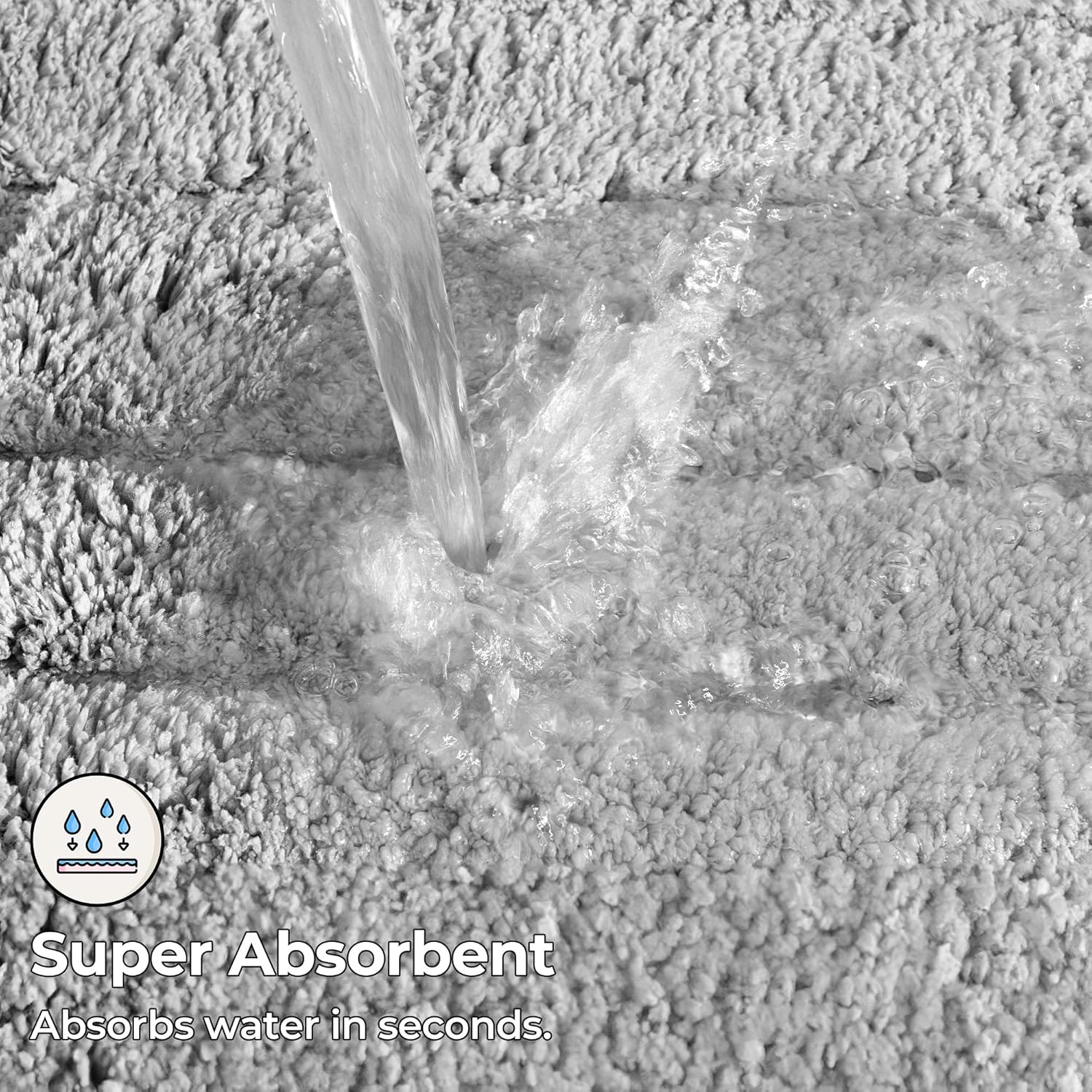
Explicitly designed for frequent machine washing with a durable non-slip backing rated for 100+ wash cycles. Dense pile resists matting and shedding. Dries noticeably faster than most competitors after both washing and daily use.
Check Price on Amazon
Budget Easy-Care Pick: GRANNY SAYS
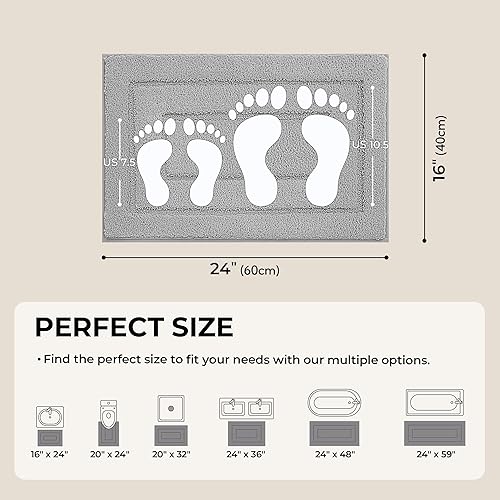
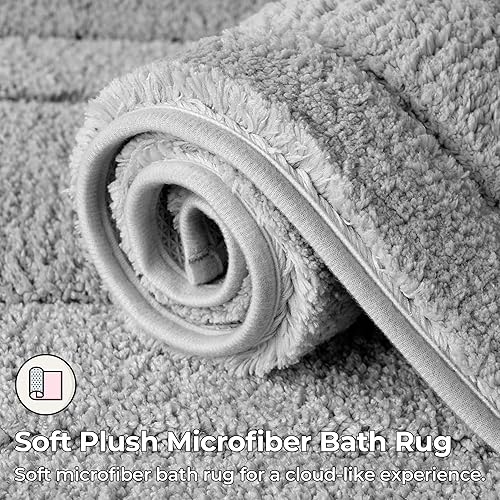
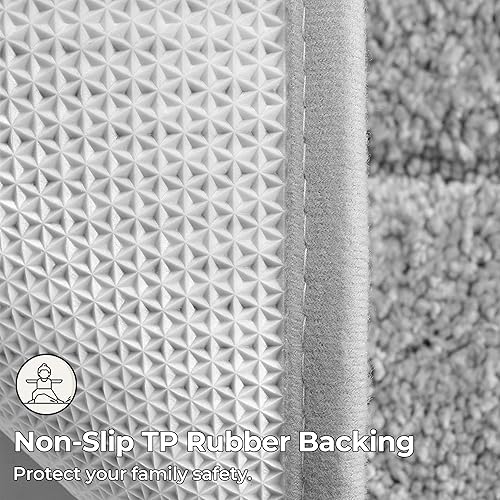
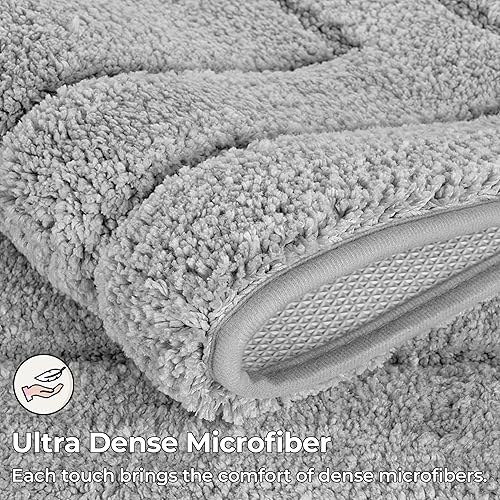
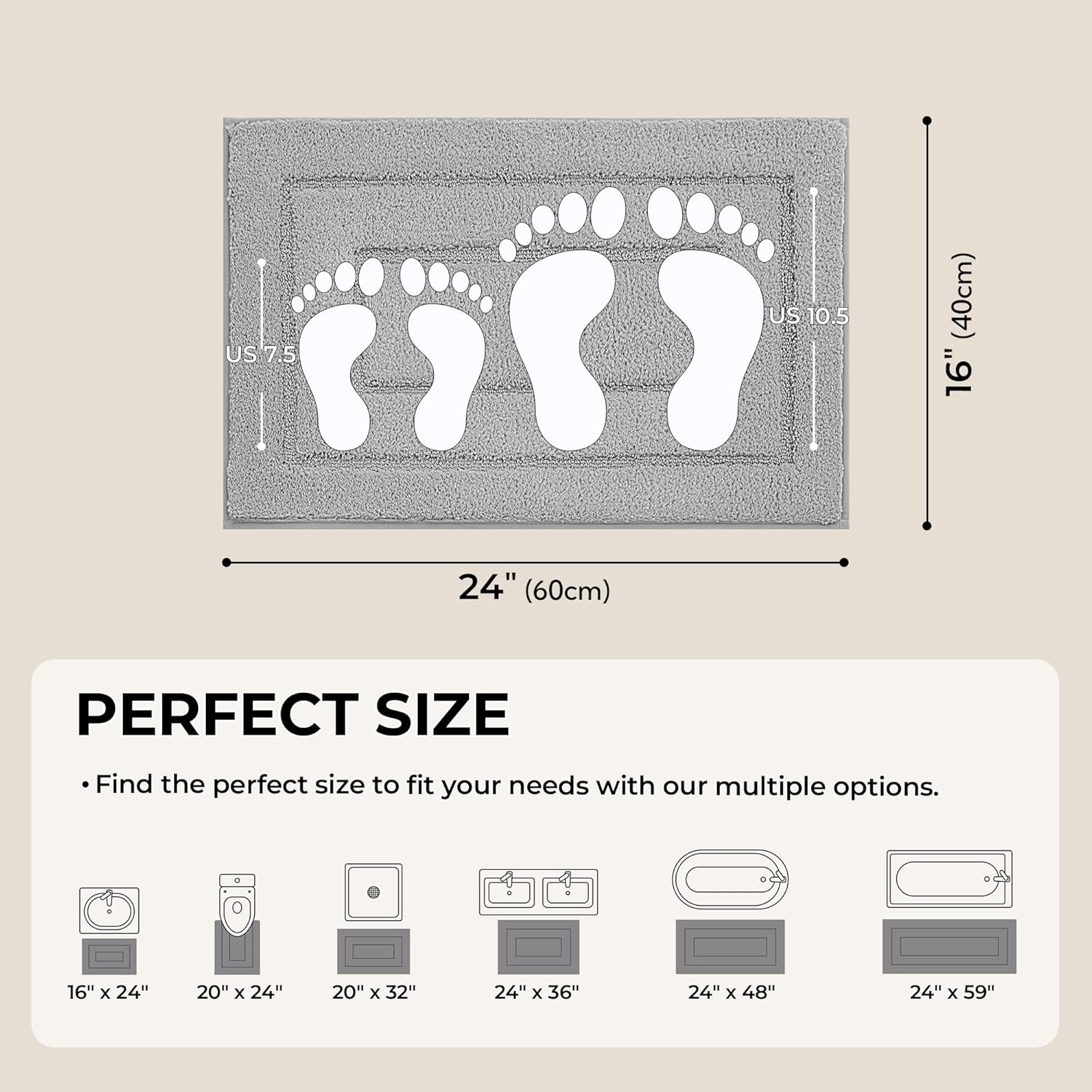
GRANNY SAYS Gray 16x24
A budget-friendly option under $10 that washes beautifully. Lightweight and quick-drying with minimal shedding. Ideal as a starter rug, for guest bathrooms, or if you want to rotate between multiple inexpensive rugs.
Check Price on Amazon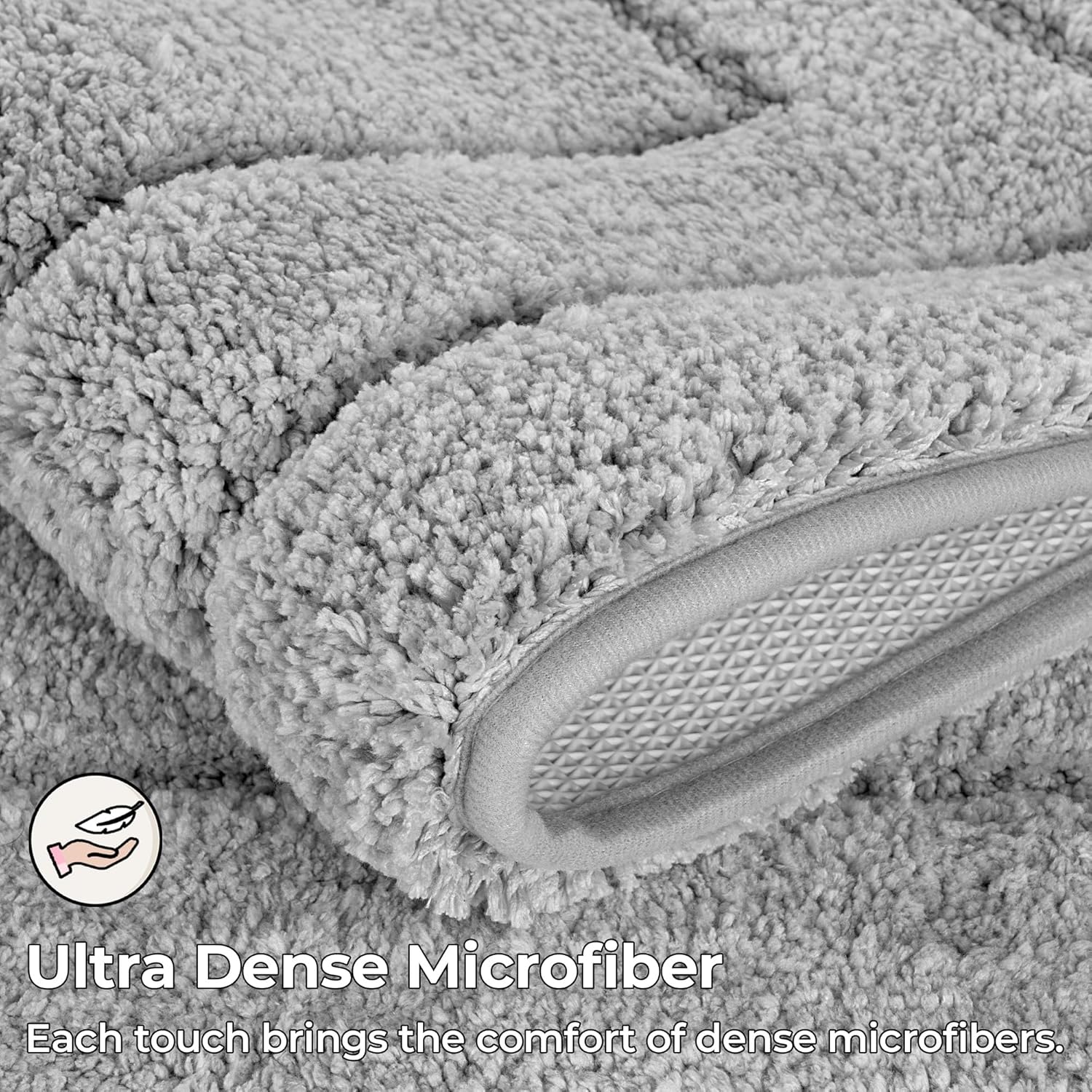
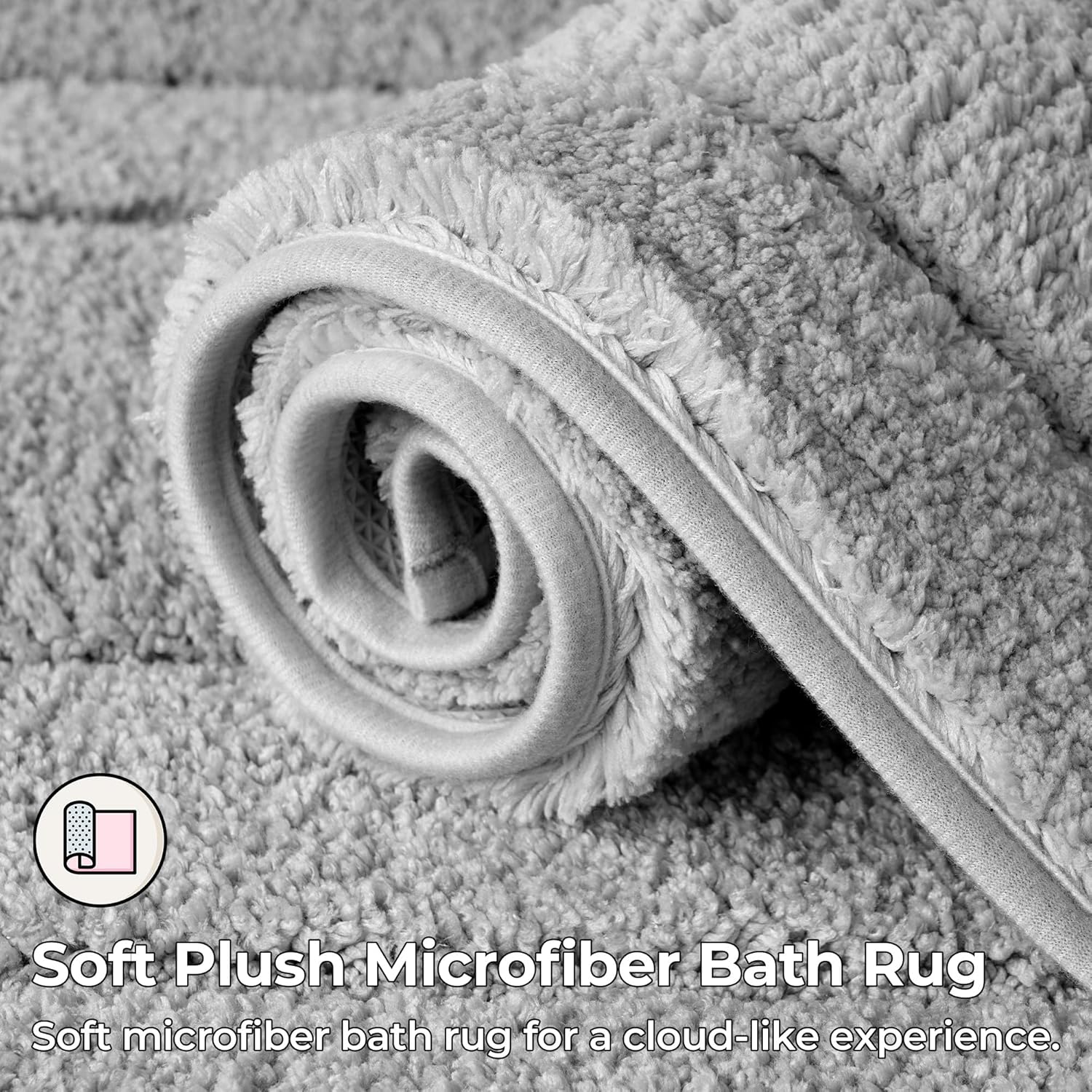
For a deeper look at easy-care rugs that handle humidity, explore our best quick-dry bath rugs for humid bathrooms. And if you want maximum comfort with minimal maintenance, our luxury bath rugs guide features several spa-quality options that wash surprisingly well.
Frequently Asked Questions
How often should I wash my bath rug?
Wash every 1 to 2 weeks for regular use. If multiple people share the bathroom or you live in a humid climate, wash weekly. Guest bath rugs used infrequently can be washed monthly. The key variable is how quickly your rug dries between uses — if it stays damp for hours, increase your wash frequency.
Can I put my memory foam bath rug in the dryer?
In almost all cases, no. High heat breaks down the foam structure and damages non-slip backing. Always air dry memory foam bath rugs flat or drape over a shower rod. If the care label specifically allows tumble drying, use the lowest heat setting only and remove while still slightly damp.
How do I remove mold from a bath rug?
Soak in 1 cup white vinegar per gallon of warm water for 30 minutes. Wash on the hottest setting your rug allows with detergent plus 1/2 cup baking soda. For stubborn mold, apply a hydrogen peroxide and baking soda paste directly to the stain before washing. The EPA recommends controlling indoor humidity below 60% to prevent mold from returning.
Why does my bath rug smell even after washing?
Standard detergent masks mold smell but does not kill the spores living deep inside the fibers. Wash with 1 cup white vinegar instead of detergent, then run a plain water rinse. Dry completely before returning the rug to the bathroom. Also check that your bathroom has adequate ventilation. Our full troubleshooting guide covers why bath rugs smell and how to fix it.
Should I use fabric softener when washing bath rugs?
No. Fabric softener coats fibers and foam cells, permanently reducing water absorption on memory foam and microfiber rugs. For cotton, it is acceptable sparingly, but 1/2 cup white vinegar in the rinse cycle is a better alternative for all materials — it naturally softens fibers without reducing absorbency or degrading backing.
Can I use bleach on my bath rug?
Avoid chlorine bleach on most rugs. It damages synthetic fibers, fades colors, and accelerates rubber backing breakdown. For white cotton rugs only, diluted bleach is acceptable occasionally. For colored and synthetic rugs, use oxygen-based bleach like OxiClean — it is equally effective against stains and odors without the fiber damage.
How do I protect my rug's non-slip backing?
Follow three rules: wash in cold or warm water (never hot), avoid the dryer or use the lowest heat setting, and never use fabric softener or bleach. These simple habits can extend backing life from months to years. Always hang to dry rather than leaving the rug bunched up. For rugs designed with durable backing, see our best non-slip bath rugs guide.
Related Articles
Written by Ilane Tall, Product Researcher | Specializing in bathroom products and home textiles
Complete Your Bathroom Upgrade
Our network of expert review sites covers every bathroom essential: