Why Your Bath Rug Matters More Than You Think
This article contains affiliate links. We may earn a commission at no cost to you. Full disclosure.

Things to Know
- A bath rug's primary job is safety: it prevents slips on wet tile. According to the CDC, over 230,000 bathroom injuries require ER visits annually in the US, and wet floors are a leading cause.
- The wrong rug creates more problems than it solves. A rug that stays damp breeds mold within 24-48 hours. A rug that slides becomes the hazard it was supposed to prevent.
- Three decisions matter: material (affects comfort and drying speed), size (must fit without blocking doors), and backing (must grip your specific floor type).
The Problem Most People Ignore
A bath rug is one of the least thought-about purchases in a home. Most people grab whatever looks decent at the store, toss it on the bathroom floor, and forget about it until it starts smelling or falling apart. By that point, the rug has usually been doing a poor job for months -- trapping moisture, sliding when stepped on, or leaving patches of wet tile that nobody notices until someone slips.
The reason bath rugs deserve more thought than they get comes down to the environment they live in. A bathroom is one of the wettest, most humidity-prone rooms in a house. The floor gets soaked multiple times a day. The air is warm and damp. These are exactly the conditions that promote mold, bacteria, and material degradation. A bath rug placed in this environment without the right material, size, and care routine becomes a hygiene liability rather than a comfort upgrade.
This guide covers the four functions a bath rug actually needs to perform, why most rugs fail at one or more of them, and how to choose one that works for your specific bathroom.
Function 1: Slip Prevention
This is the most important function of a bath rug and the one most people take for granted. Wet tile is slippery. The coefficient of friction on a wet glazed tile surface can drop to the point where a slight lateral force (like stepping sideways out of a tub) causes a foot to slide. A properly placed bath rug with adequate grip eliminates this risk for the most common exit points.
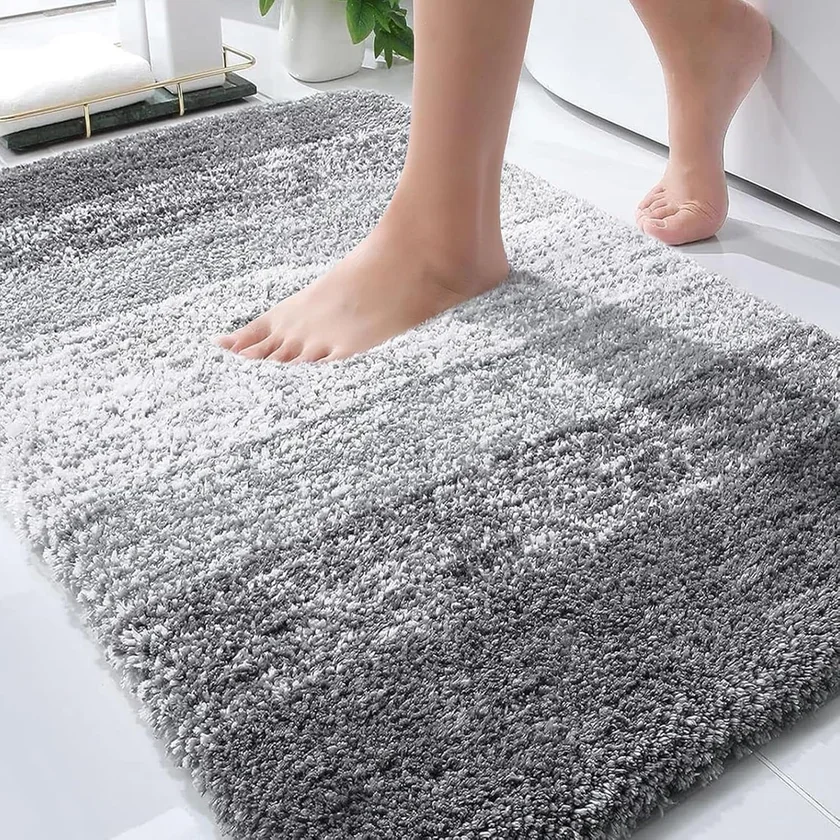
But here is the catch: a rug that slides is worse than no rug at all. Stepping onto a surface you expect to be stable and having it move under your foot is more dangerous than stepping directly onto wet tile, because you are not bracing for it. The Consumer Product Safety Commission specifically recommends bath mats with rubber backing or suction cups as the primary fall prevention measure in bathrooms.
This means the backing of your bath rug matters as much as the material on top. TPR (thermoplastic rubber) backing provides the strongest grip on tile and porcelain. Latex works on dry tile but loses grip when wet. A rug with no backing needs a separate non-slip pad underneath. For a complete breakdown of solutions, see our anti-sliding guide.
For households with elderly members or young children, slip prevention is not just a convenience -- it is a safety requirement. Our non-slip bath rugs for elderly and kids guide covers options specifically compared for vulnerable populations.
Function 2: Water Absorption
The second job of a bath rug is to catch water before it pools on the floor. When you step out of a shower or tub, your feet carry a surprising amount of water. Without a rug, that water spreads across the tile, runs toward the doorway, seeps under the vanity, and eventually damages grout, subflooring, and baseboards.
Not all materials absorb water equally. Cotton holds the most water per square inch but releases it slowly. Microfiber absorbs quickly and releases quickly. Memory foam absorbs into its dense core and takes the longest to fully dry. Chenille falls in the middle on both counts. The right material depends on how many people use the bathroom and how much time the rug has to dry between uses.
For a detailed material comparison, see our bath rug materials guide. If drying speed is your primary concern (especially in humid bathrooms or homes without good ventilation), our quick-dry bath rugs for humid bathrooms guide focuses specifically on that problem.
Function 3: Comfort and Warmth
Cold tile floors are uncomfortable. In winter, stepping out of a warm shower onto bare tile is genuinely unpleasant. A bath rug provides insulation between your feet and the floor, and the right material adds cushioning that makes the experience feel intentional rather than utilitarian.
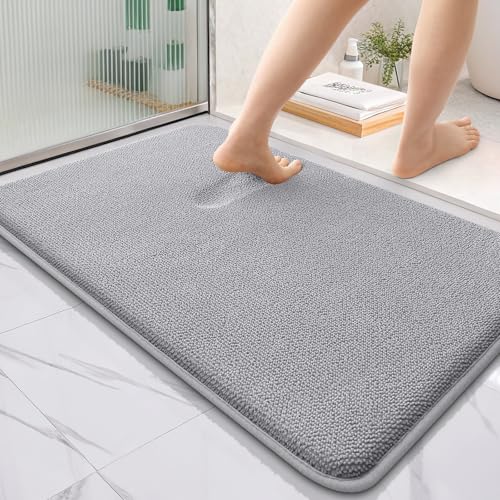
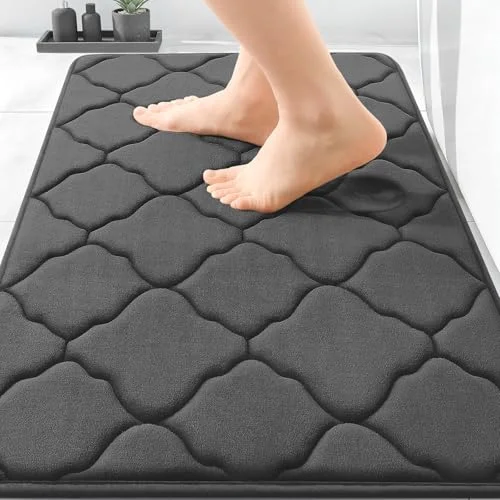
This is where material choice becomes personal. Memory foam provides the most cushioning and warmth -- it feels like stepping onto a soft platform. Chenille is softer and warmer than bare tile but thinner. Microfiber is functional but not plush. Cotton is somewhere in between, depending on the weave and pile height.
Comfort matters most in bathrooms where you spend time standing, like in front of the vanity during a morning routine. If your bathroom has heated floors, the comfort equation changes entirely -- you may only need a thin, functional rug for water absorption rather than a thick one for warmth. Our heated bath mats guide covers options for homes that want both.
Function 4: Hygiene
This is the function most people fail at, because it requires ongoing attention rather than a one-time purchase decision. A bath rug sits in a warm, wet environment all day. Without proper drying and regular washing, it becomes a breeding ground for mold, mildew, and bacteria.
The EPA's guide on mold and moisture states that mold can begin growing on a damp surface within 24-48 hours. A bath rug that stays damp between showers easily exceeds that threshold, especially in bathrooms without exhaust fans or windows.
Hygiene maintenance comes down to three habits:
- Hang the rug to dry after every use. Drape it over the tub edge or a towel bar so air circulates around both sides. This alone prevents the majority of mold and odor problems.
- Wash every 1-2 weeks. Use cold water for rugs with rubber backing, warm water for cotton. Never use fabric softener, which coats fibers and reduces absorbency. See our washing guide by material for specifics.
- Replace when necessary. A rug that smells after washing, has flattened pile, or crumbling backing has reached the end of its useful life. Continuing to use it is a hygiene and safety risk. Our smell troubleshooting guide covers when to fix vs. when to replace.
The Three Decisions That Matter
If you are buying a new bath rug (or evaluating whether your current one is doing its job), these are the three decisions that determine 90% of the outcome:
1. Material
Choose based on your bathroom, not on what feels nice in the store. Humid bathrooms need quick-dry materials (microfiber, chenille). Cold-floor bathrooms need thick materials (memory foam, thick cotton). High-traffic family bathrooms need durable, easy-wash materials (cotton, chenille). Our materials guide covers every option in detail.
2. Size
Measure before you buy. The rug needs to cover the stepping zone in front of the tub or shower without blocking doors, drawers, or toilet clearance. For most standard bathrooms, a 20x32 rug is right. For larger bathrooms or specific layouts, our size guide provides room-by-room recommendations.
3. Backing
Match the backing to your floor type. TPR rubber for tile (the most common bathroom floor). Felt or natural rubber for hardwood or vinyl. Avoid PVC on heated floors. A rug with the perfect material and size but the wrong backing is a safety hazard. See our anti-sliding guide for a full backing comparison.
Common Mistakes to Avoid
- Buying based on color alone. A rug that matches your decor but slides on wet tile or stays damp for days is worse than a plain rug that actually works.
- Choosing the biggest rug that fits. An oversized rug blocks door swings, curls at edges, and takes longer to dry. Size it to the stepping zone, not the entire floor.
- Never washing it. Bath rugs need to be washed every 1-2 weeks. If you are not willing to maintain that schedule, choose a material that is easy to wash (cotton or chenille) or switch to a bamboo mat that only needs wiping.
- Placing a rug under the toilet. This traps moisture and bacteria in the hardest-to-clean part of the bathroom. Use a separate contour rug around the toilet if needed, and wash it weekly.
- Ignoring the smell. If your rug smells musty, mold is already growing. Wash immediately with vinegar, or replace if the smell persists. See our smell fix guide for step-by-step instructions.
When to Skip the Fabric Rug Entirely
Fabric bath rugs are the most popular option, but they are not the only one. In some situations, a hard surface mat is the better choice:
- Chronically humid bathrooms with no fan: If your bathroom stays damp and you cannot improve ventilation, a bamboo bath mat drains water instantly and never develops mold.
- People who hate laundry: If you know you will not wash a rug every 1-2 weeks, a diatomaceous earth stone mat absorbs water and dries itself with zero maintenance.
- Minimalist or spa-style bathrooms: Hard mats look cleaner and more intentional in modern bathroom designs.
For a complete comparison of fabric vs hard surface options, see our bath rug vs bath mat guide.
What to Buy: Quick Recommendations
If you just want a straightforward answer, here is what we recommend for the most common situations based on testing dozens of options across our complete bath rug reviews:
- Best for most people: A chenille rug with TPR backing in 20x32 size. Soft, quick-drying, machine washable, non-slip. Covers 80% of bathroom needs.
- Best for comfort: A memory foam rug with a removable cover. Check our memory foam roundup for specific picks.
- Best for tight budgets: A microfiber rug under $15. Functional, fast-drying, and cheap enough to replace annually.
- Best for luxury: A thick Turkish cotton rug or a premium memory foam option. See our luxury bath rugs guide.
Do I really need a bath rug?
For most bathrooms, yes.
What makes a good bath rug?
A good bath rug absorbs water quickly, dries within a few hours, has non-slip backing that grips your floor type, fits the space without blocking doors, and survives machine washing.
Frequently Asked Questions
Do I really need a bath rug?
For most bathrooms, yes. A bath rug prevents slips on wet tile, insulates your feet from cold floors, and absorbs water before it pools. The only exception is if you have heated floors and a well-drained shower design, in which case you may only need a small mat at the tub exit for safety.
What makes a good bath rug?
A good bath rug absorbs water quickly, dries within a few hours, has non-slip backing that grips your floor type, fits the space without blocking doors, and survives machine washing. Material, size, and backing are the three decisions that matter most.
How much should I spend on a bath rug?
Most people get a fully functional bath rug for $15-30. Budget options under $15 work but wear out faster. Premium rugs over $40 offer luxury materials but do not perform meaningfully better on absorption, grip, and washability.
Bath rug vs bath mat: what is the difference?
Bath rugs are fabric-based (cotton, chenille, memory foam) and absorb water. Bath mats are hard surfaces (bamboo, stone) that drain water. Rugs are more comfortable; mats are more hygienic and lower maintenance. See our full comparison for details.
How often should I replace my bath rug?
Every 1-2 years for standard use. Replace sooner if the pile is flat, the backing is crumbling, or the rug smells after washing. Higher-quality rugs last longer, but no bath rug lasts forever in a wet environment.