How to Wash Bath Rugs Without Ruining Them
This article contains affiliate links. We may earn a commission at no cost to you. Full disclosure.

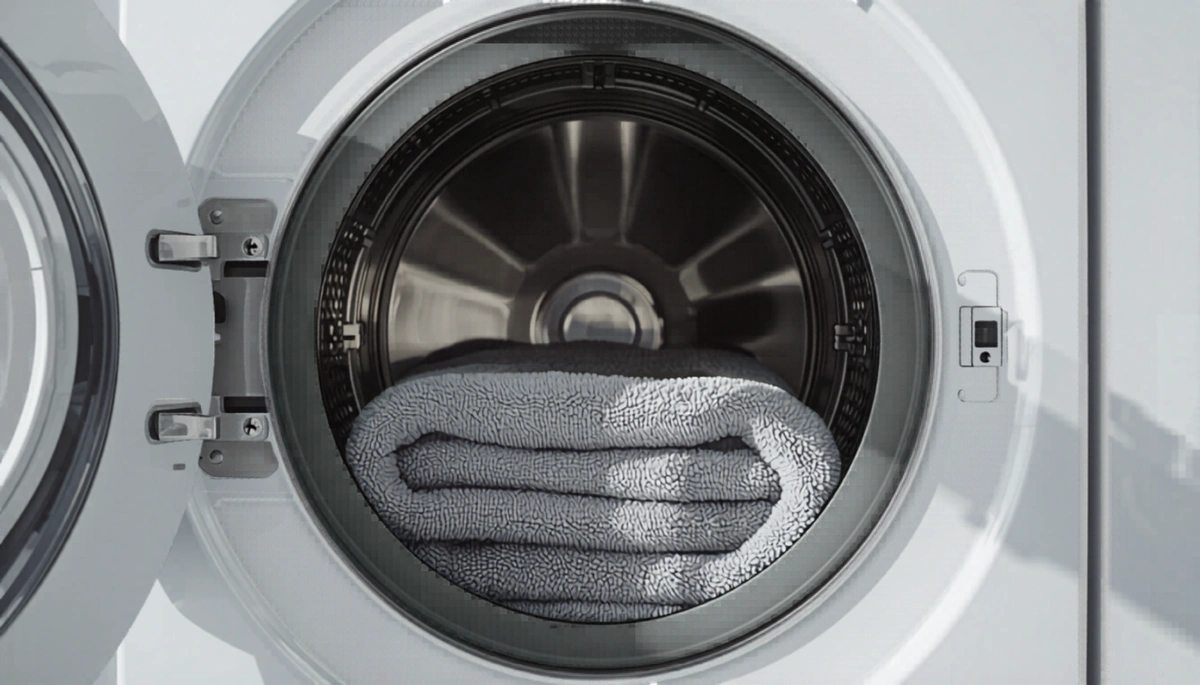
Things to Know
- The backing fails before the fibers. Most bath rugs are "ruined" because improper washing destroyed the non-slip backing, not the rug surface. Cold water and air drying protect backing above all else.
- Fabric softener is the single most damaging product people use on bath rugs. It coats fibers (reducing absorbency) and degrades rubber backing. Use white vinegar instead.
- Memory foam requires completely different handling than other materials. The foam core should never go through a machine wash cycle -- only the cover (if removable).
- A properly washed bath rug lasts 50-100 cycles. An improperly washed one lasts 20-30. The difference is almost entirely about water temperature and drying method.
Most bath rugs do not wear out from use. They wear out from washing. Specifically, they wear out from being washed wrong. The non-slip backing cracks from hot water. The fibers lose absorbency from fabric softener. The memory foam tears from aggressive agitation. Each washing mistake compounds, and within a few months a rug that should have lasted two years is sliding on the floor, smelling musty, or shedding backing particles into your washing machine.
This guide focuses on what damages bath rugs during washing and exactly how to avoid it. If you need basic wash instructions (which cycle, what temperature), start with our general bathroom rug washing guide. If you need a complete care routine including drying, storage, and replacement timing, see our full care guide. This article is specifically about protecting your rug from washing damage.
Mistake 1: Hot Water on Rubber Backing
This is the number one rug killer. Hot water (above 105F / 40C) accelerates the chemical degradation of rubber, latex, and PVC backing. The backing becomes brittle, cracks along stress points, and eventually peels away from the rug surface in sheets. Once cracking starts, it is irreversible. No amount of gentle washing afterward will restore the backing's integrity.
The fix is simple: always use cold water for any rug with non-slip backing. Cold water cleans just as effectively for the types of soil found on bath rugs (body oils, skin cells, soap residue). The only rugs that benefit from warm water are cotton rugs without any rubber backing, and even those do not require hot water.
Mistake 2: Using Fabric Softener
Fabric softener works by depositing a thin waxy coating on fibers. On clothing, this makes them feel softer. On bath rugs, it creates a hydrophobic layer that actively repels water -- the exact opposite of what a bath rug should do. Studies by the textile industry show that fabric softener can reduce absorbency by 30-50% after just a few applications.
The wax also coats rubber backing, reducing its friction coefficient and making the rug more likely to slide. On memory foam, the softener residue can penetrate the foam core and create a film that traps odors.
The alternative: Add 1/2 cup of white vinegar to the rinse cycle. Vinegar naturally softens fibers, kills bacteria, removes odor-causing residue, and rinses away completely. It does not affect backing or foam. This is the same approach recommended in our smell troubleshooting guide for treating mold and mildew.
Mistake 3: Machine Drying Rubber-Backed Rugs
The dryer is the second-biggest backing destroyer after hot water. Even the "low heat" setting on most residential dryers reaches 125-135F (52-57C), well above the threshold that degrades rubber and latex. The tumbling action compounds the damage by bending and flexing the already heat-stressed backing.
The result: backing that cracks in a spiderweb pattern across the entire surface, loses grip within weeks, and begins shedding particles that look like black confetti in your dryer and on your bathroom floor.
Air dry every rug with non-slip backing. Hang it over a towel bar, shower rod, or outdoor clothesline. If you need to speed up drying, roll the rug in a clean dry towel and press firmly to absorb excess water before hanging. This trick cuts drying time by 30-40%. For rugs that dry slowly, consider switching to a quick-dry material.
Mistake 4: Machine Washing Memory Foam
Memory foam is not designed to withstand the agitation of a washing machine. The spinning and tumbling forces tear the foam internally, creating voids and weak spots that compress under foot and never bounce back. A memory foam rug washed in a regular cycle loses its supportive properties after just 3-5 washes.
The correct approach depends on whether your rug has a removable cover:
- Removable cover: Unzip and wash only the cover. Cold water, gentle cycle, air dry. Leave the foam core in the bathroom to air out. If the foam needs cleaning, spot-treat stains with a damp cloth and mild detergent.
- Non-removable cover: Hand wash in the bathtub. Fill with a few inches of cold water, add a small amount of liquid detergent, and gently press (do not wring or twist) the rug for 3-5 minutes. Drain, refill with clean water, press again to rinse. Lay flat on a drying rack for 12-24 hours.
For memory foam options with easier care, our memory foam roundup highlights models specifically designed with removable, washable covers.
Mistake 5: Using Powder Detergent
Powder detergent does not fully dissolve in cold water, and cold water is what you should be using for bath rugs. The undissolved powder granules lodge in thick rug fibers and accumulate wash after wash, creating a gritty residue that reduces softness, traps odors, and can irritate skin. On rubber backing, powder residue accelerates degradation.
Always use liquid detergent for bath rugs. Use less than you think you need -- a measured tablespoon is sufficient for most loads. Excess liquid detergent leaves its own residue, so more is not better. If you want to boost cleaning power, add 1/2 cup baking soda to the wash cycle rather than extra detergent.
Mistake 6: Washing Chenille with Other Fabrics During Break-In
New chenille bath rugs shed loose fibers aggressively during the first 2-3 wash cycles. If you wash a new chenille rug with towels, clothing, or other fabrics, those loose fibers transfer and embed themselves in everything else in the load. The result: fuzzy towels, lint-covered clothes, and a clogged dryer lint trap.
Wash new chenille rugs alone for the first 3 cycles. After the initial shedding period tapers off (you will notice much less lint in the washer), you can wash with towels of similar color. Chenille is otherwise one of the easiest materials to maintain. For material-specific care details, see our materials comparison guide.
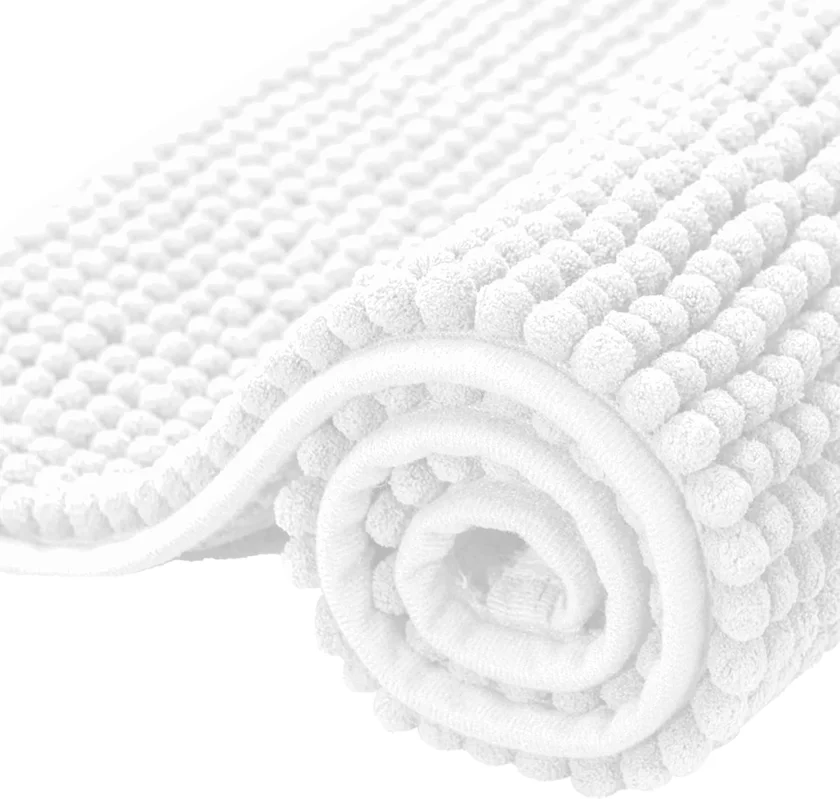
Mistake 7: Returning the Rug to the Floor While Still Damp
This is not a washing mistake per se, but it undoes the benefit of washing. A damp rug placed back on tile traps moisture between the rug bottom and the floor surface. Within 24-48 hours, mold begins growing in that warm, dark, wet space. You have just washed the rug to remove mold, and now you are creating the perfect conditions for it to return.
Wait until the rug is completely dry before returning it to the bathroom floor. "Completely dry" means dry on both sides, including the backing surface. Flip the rug and touch the backing -- if it feels even slightly damp or cool, give it more time. According to the EPA's mold prevention guide, keeping surfaces dry is the single most effective way to prevent mold growth indoors.
How to Maximize Rug Lifespan by Material
| Material | Biggest Threat | Protection Strategy | Expected Lifespan (proper care) |
|---|---|---|---|
| Cotton | Shrinkage from hot dryer | Medium heat or air dry, reshape while damp | 2-3 years |
| Chenille | Shedding from aggressive agitation | Gentle cycle always, wash alone first 3 times | 1.5-2 years |
| Memory Foam | Foam tearing from machine wash | Wash cover only, hand wash foam | 1-2 years |
| Microfiber | Absorbency loss from softener | No softener ever, vinegar rinse | 1.5-2 years |
| Any (rubber-backed) | Backing degradation from heat | Cold wash, air dry, inspect monthly | Backing: 1-2 years; fibers: 2-3 years |
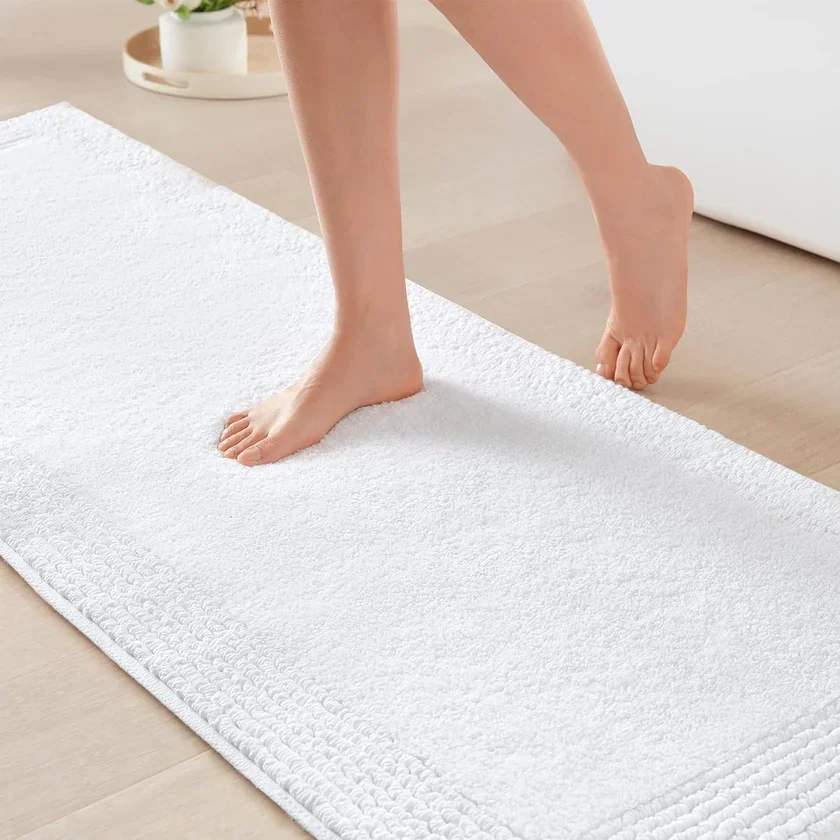
The Vinegar Method: A Better Way to Wash
If there is one technique worth adopting from this guide, it is replacing detergent with vinegar for most routine washes. White vinegar (5% acidity, the standard grocery store kind) cleans bath rugs effectively, kills mold and bacteria at the source, removes odors without masking them, and rinses away completely with zero residue.
Use 1 cup of white vinegar in place of detergent for regular maintenance washes. Add detergent only when the rug is visibly soiled or stained. This approach reduces fiber coating, preserves backing, and keeps the rug more absorbent over time. It is the same method recommended by mold remediation specialists for preventing recurring mold in bathroom textiles.
For rugs that already smell despite washing, our smell troubleshooting guide covers the intensive vinegar soak method for deep mold removal.
When Washing Cannot Save the Rug
Some damage is irreversible. If your rug shows any of these signs, no washing method will restore it:
- Backing is crumbling or peeling off in pieces. The backing has reached end-of-life. Continued use is a slip hazard.
- Persistent odor after vinegar soak and sun drying. Mold has penetrated deep into the fiber core or foam. The rug cannot be fully deodorized.
- Memory foam does not bounce back when pressed. The foam structure is torn internally. It will only get worse.
- Fibers are matted flat and do not recover after washing. The pile is worn out and no longer absorbs effectively.
- The rug slides on the floor despite having rubber backing. The backing surface is worn smooth. See our sliding fix guide for temporary solutions, but replacement is the real answer.
When it is time for a new rug, our complete bath rug buyer guide covers the best options for every bathroom type and budget.
Does hot water ruin bath rugs?
Hot water ruins rubber, latex, and PVC backing by causing it to crack, harden, and eventually peel.
Does fabric softener damage bath rugs?
Yes, significantly.
Frequently Asked Questions
Does hot water ruin bath rugs?
Hot water ruins rubber, latex, and PVC backing by causing it to crack, harden, and eventually peel. It can also shrink cotton fibers and damage memory foam. Cold water is safe for every bath rug material and cleans effectively for the type of soiling bath rugs collect.
Does fabric softener damage bath rugs?
Yes, significantly. Fabric softener coats rug fibers with a waxy residue that reduces water absorbency by 30-50%. It also degrades rubber backing and can penetrate memory foam, trapping odors. Use 1/2 cup white vinegar in the rinse cycle instead for natural softening without residue.
Can you bleach a bath rug?
Only white cotton rugs without rubber backing can tolerate oxygen bleach (like OxiClean). Never use chlorine bleach on any bath rug. It destroys synthetic fibers, discolors dyed cotton, and rapidly degrades rubber backing. For stain removal, a baking soda paste or white vinegar is safer and usually just as effective.
How many washes will a bath rug survive?
With proper care (cold water, gentle cycle, air drying), a quality bath rug can survive 50-100 wash cycles. The backing typically fails before the fibers. Improper washing (hot water, machine drying) reduces lifespan to 20-30 cycles. Investing in proper wash technique is essentially investing in a longer-lasting rug.
Is it better to hand wash or machine wash bath rugs?
Machine washing on the gentle cycle is fine for most rugs and more thorough than hand washing. Hand wash only when: the rug is too large for your washer, the backing is already deteriorating, the care label specifically requires it, or you are cleaning a memory foam core (not the cover). See our general washing guide for step-by-step instructions.